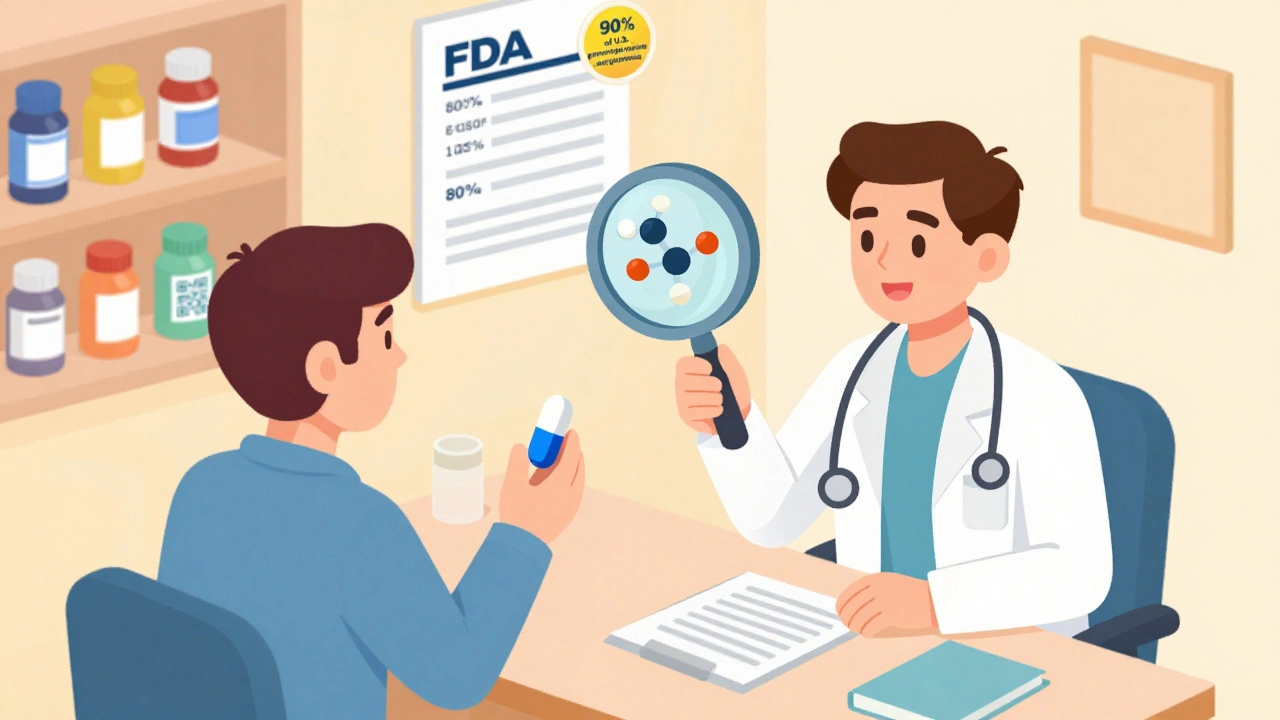
Most people assume that once a drug gets the green light from the government, the hard part is over. But for the FDA, approval is just the beginning of a lifelong observation process. This is especially true for generics. Since generic drugs don't go through the same massive clinical trials as the original brand-name versions, the real-world performance is where the most critical data is gathered. The goal is simple: make sure the cheaper version of a medication is just as safe and effective as the original over the long haul.
The Tools the FDA Uses to Watch Your Meds
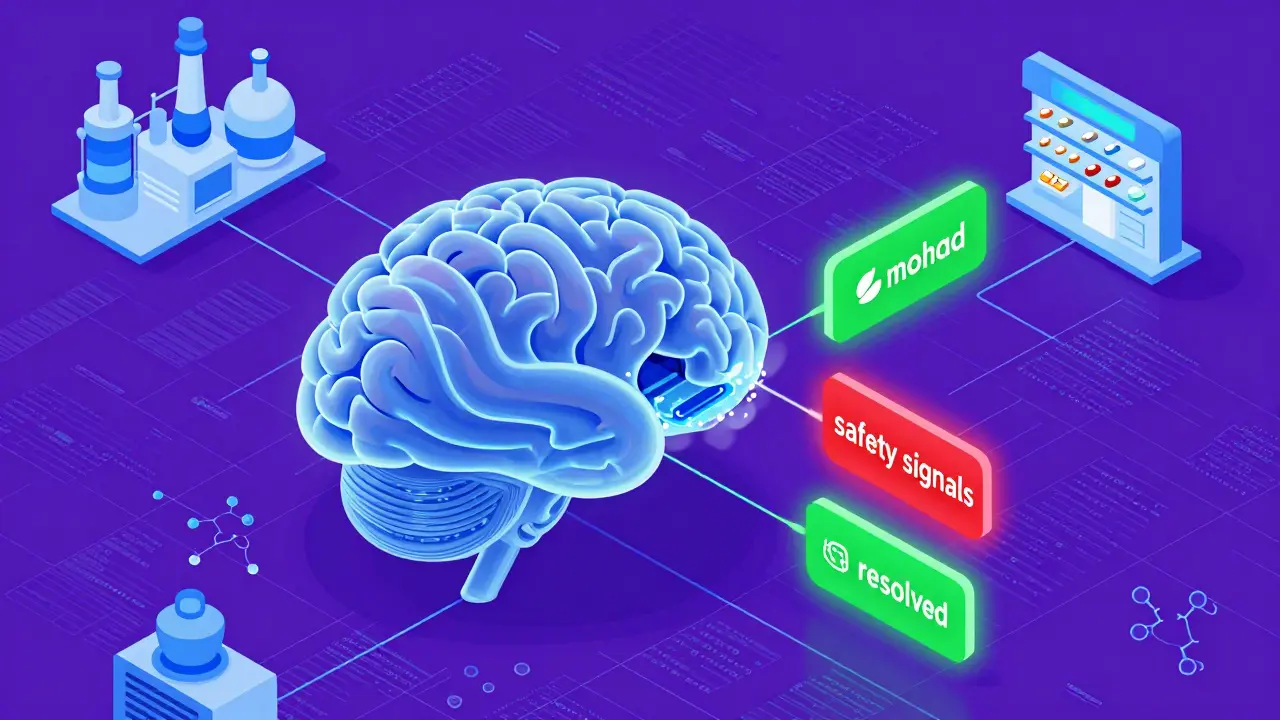
The FDA doesn't just sit back and wait for phone calls. They use a combination of passive and active systems to spot "safety signals"-early warnings that a drug might be causing unexpected problems. If you've ever filled out a side-effect form or if your doctor reported a reaction, you've contributed to this system.
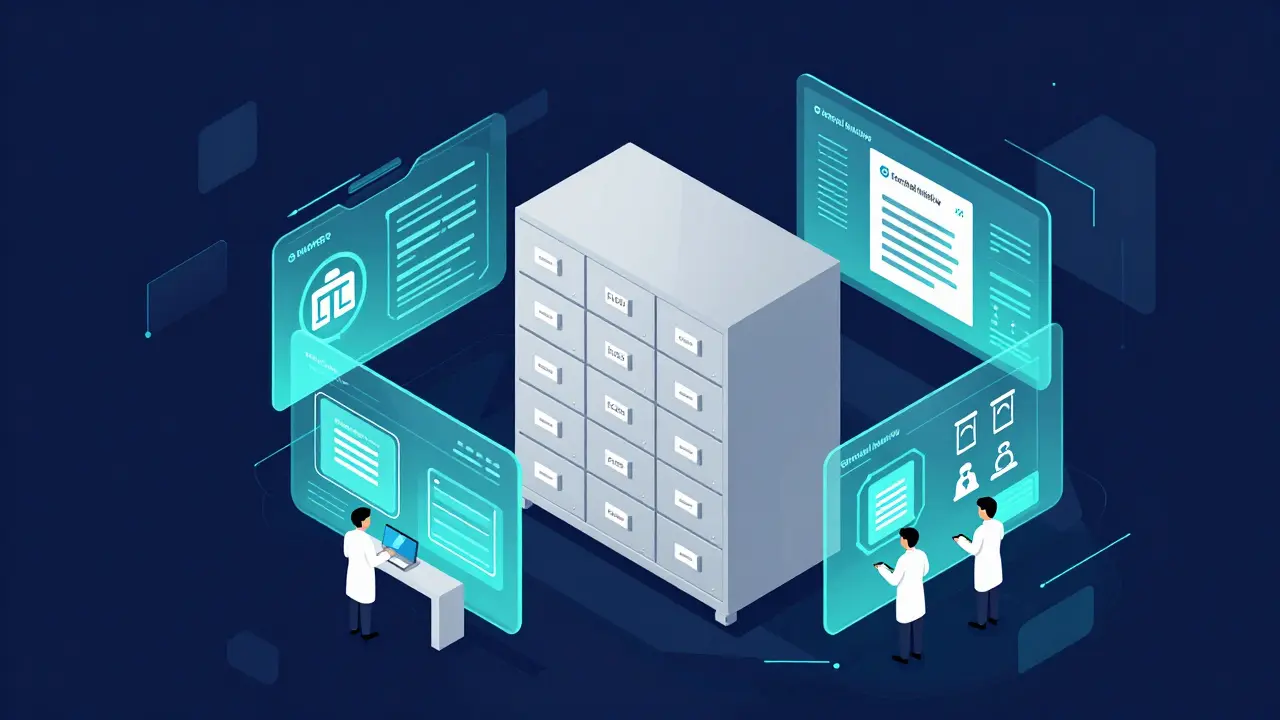
The heavy lifting is done by the FDA Adverse Event Reporting System (also known as FAERS). Think of FAERS as a massive digital filing cabinet. It stores reports from patients, doctors, and manufacturers. When the Center for Drug Evaluation and Research (CDER) notices a spike in similar reports for a specific generic, they trigger an investigation. To make this easier for the public, the FDA uses MedWatch, a user-friendly portal where anyone can report a product quality issue or a therapeutic failure.
While FAERS is passive (it waits for reports), the Sentinel Initiative is active. Launched in 2008, this system allows the FDA to proactively query insurance claims and electronic health records. Instead of waiting for a doctor to report a problem, the FDA can look at data from over 200 million Americans to see if users of a specific generic are showing up in hospitals more often for a certain condition than those using the brand-name version.
| System | Approach | Data Source | Primary Strength |
|---|---|---|---|
| FAERS / MedWatch | Passive | Spontaneous reports | Catches rare, unexpected side effects |
| Sentinel Initiative | Active | Insurance claims & EHRs | Real-time data from millions of people |
| Field Inspections | Direct | On-site factory visits | Ensures manufacturing consistency |
The Challenge of Complex Generics
Not all generics are created equal. A simple tablet is easy to replicate, but "complex generics"-like inhalers, topical creams, or modified-release capsules-are a different story. In these cases, a tiny change in how the drug is formulated can change how the body absorbs it, even if it technically meets bioequivalence standards.
Because of this, the FDA has recognized that standard monitoring isn't always enough. The National Academies of Sciences, Engineering, and Medicine pointed out in 2021 that for inhalers, the way a patient uses the device can be just as important as the drug itself. This has led the FDA to focus more on therapeutic equivalence-whether the drug actually *works* the same way in a real patient-rather than just looking at blood levels in a lab.
To tackle this, the agency established the Center for Research on Complex Generics (CRCG) in 2020. They are moving toward a more specialized approach to surveillance, focusing on the specific ways a complex generic might differ from its reference listed drug (RLD).
When a Signal Becomes a Problem: What Happens Next?
So, what happens when the data shows something is wrong? It's rarely a sudden "stop everything" moment. Instead, it's a gradual process of validation. First, epidemiologists and safety evaluators analyze the FAERS data to rule out the "nocebo effect"-where a patient feels sick simply because they know they switched to a cheaper generic, not because the drug is actually different.
Once a genuine risk is confirmed, the Office of Generic Drugs (OGD) takes action. This can look like several different things depending on the severity:
- Label Updates: Adding a new warning or side effect to the medication guide so doctors know what to look for.
- Dear Healthcare Provider Letters: Sending direct alerts to doctors and pharmacists about a specific safety concern.
- Recalls: If the problem is a manufacturing defect (like a batch being too potent), the FDA may coordinate a voluntary product recall.
- Enforcement Action: In severe cases of negligence, the FDA can shut down production lines or levy fines.
The Future: AI and Real-World Data
The current system is good, but it's slow. It can take months to detect a pattern in spontaneous reports. The FDA is now betting big on Machine Learning and AI to shrink that window. By 2027, industry experts believe AI-enhanced surveillance could reduce the time it takes to spot a safety signal by up to 70%.
Imagine an AI that scans millions of electronic health records in real-time, comparing the outcomes of a new generic against its brand-name counterpart. Instead of waiting for a doctor to notice a trend and file a report, the system would alert the FDA the moment a statistical anomaly appears. To get there, the FDA allocated over $5 million in 2023 specifically for AI/ML-based research to modernize how they use real-world data (RWD).
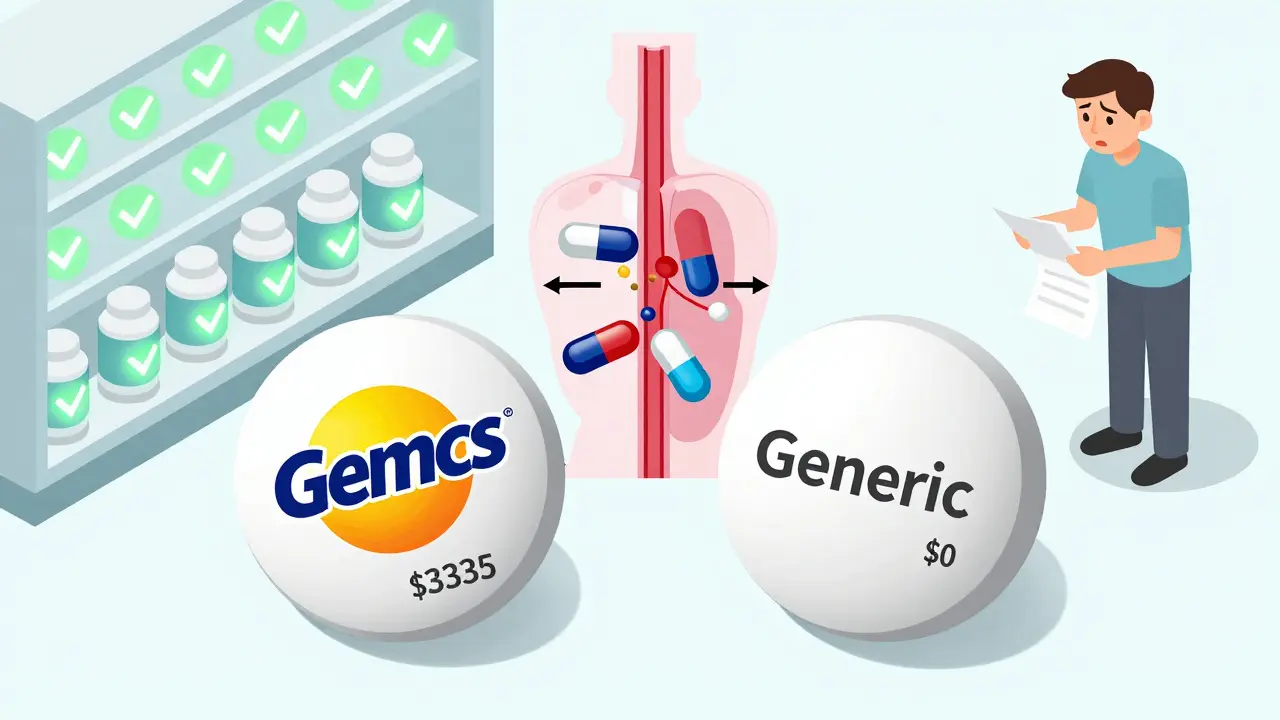
Why are generics monitored if they are "equivalent" to brand names?
While generics are bioequivalent, clinical trials for the original drug only involve a few thousand people. Once a generic is used by millions, rare side effects or interactions with other medications can emerge that weren't visible in smaller studies. Post-market surveillance catches these "long-tail" risks.
Can I report a problem with my generic medication?
Yes. The FDA encourages patients and healthcare providers to use the MedWatch portal. You can report unexpected side effects, product quality issues (like pills crumbling), or if the medication simply doesn't seem to be working as it should.
What is the difference between FAERS and the Sentinel Initiative?
FAERS is a passive database that relies on people voluntarily reporting bad reactions. The Sentinel Initiative is an active system that allows the FDA to proactively search through healthcare data (like insurance claims) to find patterns without waiting for a report.
What are "complex generics" and why are they harder to monitor?
Complex generics include things like inhalers, eye drops, or long-acting injections. Because their delivery method is so specific, a small change in the formula can change how the drug behaves in the body, making them more prone to efficacy issues that aren't caught by simple blood tests.
Does a recall mean the generic drug is unsafe?
Not necessarily. Recalls can happen for various reasons, from a minor labeling error to a specific contaminated batch. The post-market surveillance system is designed to catch these isolated incidents so that the broader supply of medication remains safe.
Next Steps for Patients and Providers
If you are a patient switching to a generic, keep a simple log of any changes in how you feel for the first few weeks. If you notice a difference, don't just stop the med-talk to your doctor and ask them to file a MedWatch report. This isn't just helpful for you; it helps the FDA protect everyone else using that same drug.
For healthcare providers, the key is precision. When reporting an adverse event, be as specific as possible about the manufacturer and the lot number. Since multiple companies often make the same generic, pinpointing a specific batch is the fastest way for the FDA to determine if a problem is a systemic drug issue or a one-time manufacturing fluke.