
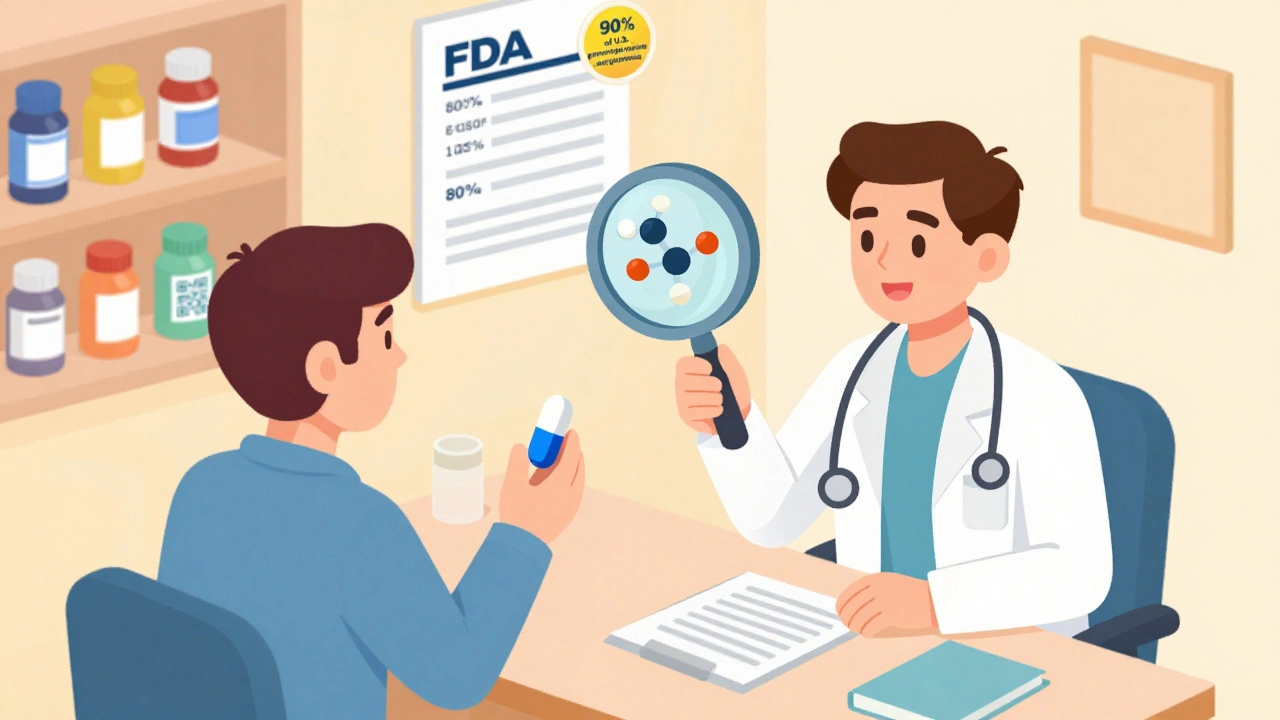
Let’s be honest-when your doctor hands you a prescription and says, "This is the generic version," it’s easy to feel confused. Maybe you’re worried it won’t work as well. Maybe you’ve heard stories about side effects. Or maybe you just don’t understand why it looks different from the brand-name pill you used to take. You’re not alone. Many people feel this way, even though generics are just as safe and effective as their brand-name counterparts.
What Exactly Is a Generic Drug?
A generic drug has the same active ingredient, strength, dosage form, and route of administration as the brand-name version. That means if you’re taking metformin for diabetes, the generic version contains the exact same molecule as Glucophage. The FDA requires it to work the same way in your body. The only differences? The color, shape, or inactive ingredients-like dyes or fillers-that don’t affect how the medicine works.
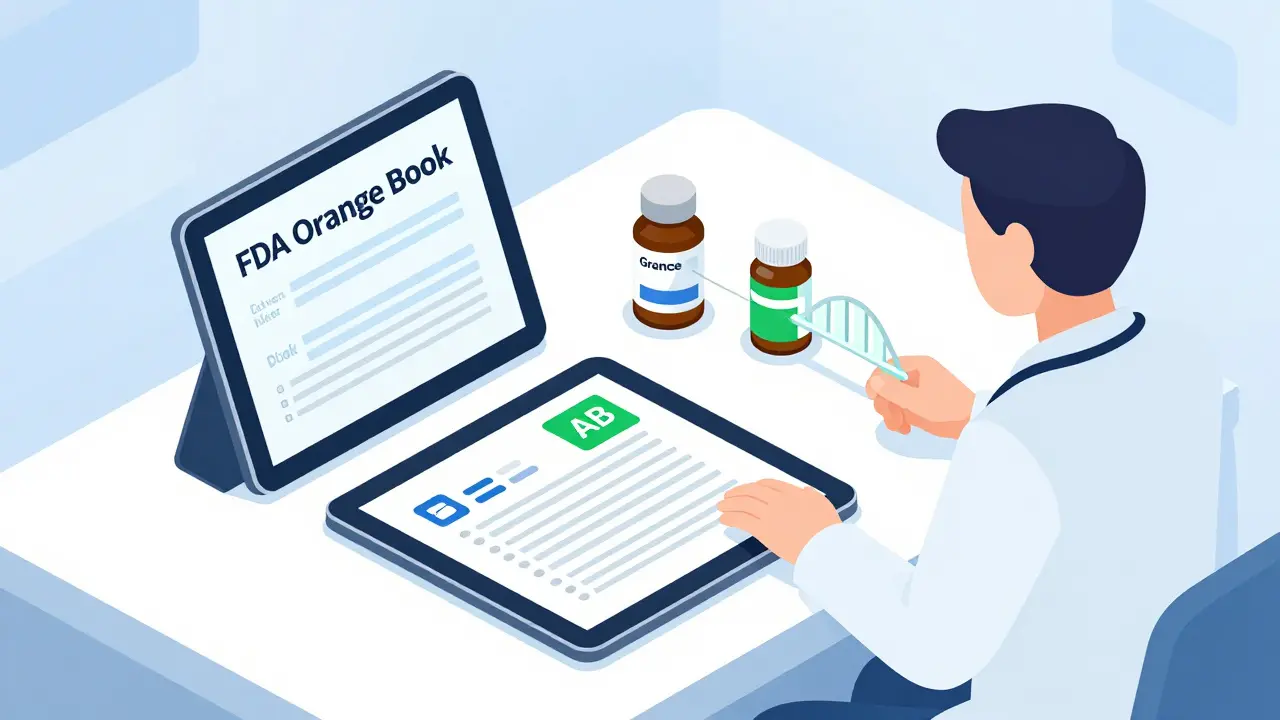
The FDA doesn’t approve generics lightly. Every single one must pass strict tests proving it delivers the same amount of medicine into your bloodstream at the same rate as the brand. This is called bioequivalence, and it’s measured using two key numbers: Cmax (peak concentration) and AUC (total exposure). The FDA requires these to fall within 80% to 125% of the brand-name drug’s values. That’s not a guess-it’s science.
And here’s something most people don’t know: generic drugs are made in the same kind of factories as brand-name drugs. In fact, many brand-name companies actually make their own generics. The FDA inspects over 3,500 manufacturing sites worldwide each year, and 98.7% of them passed inspection in 2023. If the factory isn’t good enough for the brand, it’s not good enough for the generic.
Why Do Generics Cost So Much Less?
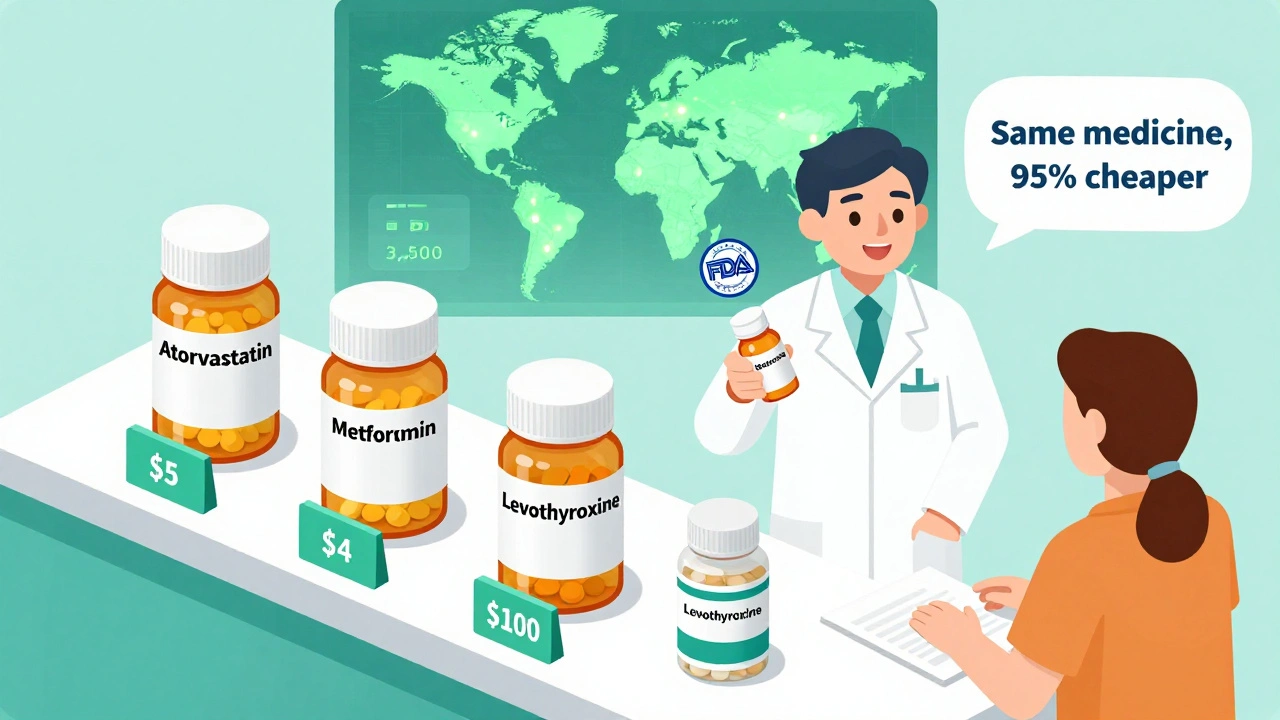
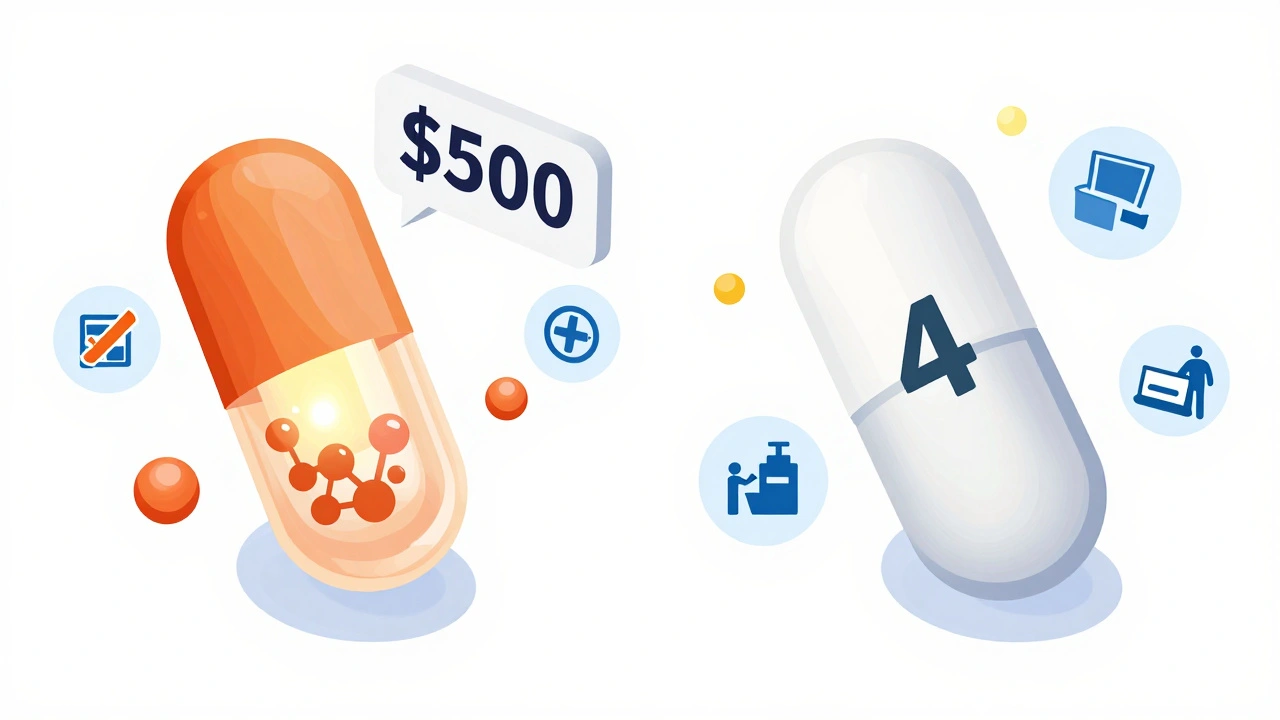
Generics cost 80% to 85% less than brand-name drugs because they don’t need to repeat expensive clinical trials. When a brand-name drug’s patent expires, other companies can apply to make a copy using the existing safety and effectiveness data. That cuts development time and cost dramatically.
In 2023, the average cost of a brand-name prescription in the U.S. was $674.89. The same drug as a generic? Just $15.78. That’s not a marketing trick-it’s the result of competition. When multiple companies make the same generic, prices drop fast. For example, the generic version of Lipitor (atorvastatin) dropped from over $100 a month to under $5 after patents expired.
This isn’t just about saving money-it’s about staying healthy. Studies show people who take generics for chronic conditions like high blood pressure, diabetes, or cholesterol are 8% to 12% more likely to stick with their treatment. Why? Because they can actually afford it. When you’re choosing between buying medicine or paying your rent, affordability makes a real difference.
Why Do People Doubt Generics?
Despite the evidence, many people still think generics are inferior. Why? Three big reasons:
- "Cheaper means worse." It’s a gut feeling. If something costs less, we assume it’s lower quality-even when it’s not.
- Distrust in manufacturing. Some worry generics are made in countries with looser rules. But the FDA holds all facilities to the same standards, no matter where they’re located.
- Distrust in the system. A lot of people feel like they’re being pushed toward generics to save money, not because it’s better for them.
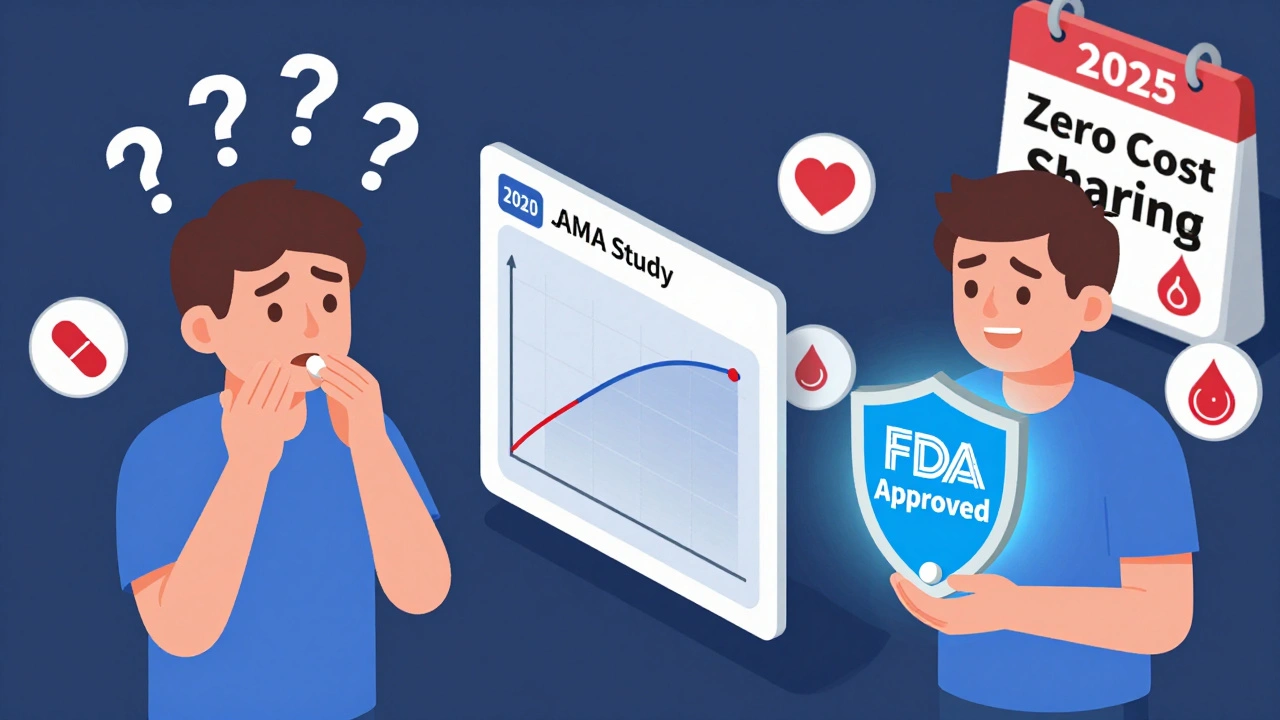
These fears aren’t silly-they’re human. But they’re also based on myths. A 2020 study in JAMA Internal Medicine looked at 47 clinical trials comparing generics and brand-name drugs for heart conditions. The results? No meaningful difference in effectiveness. Zero. Not even a tiny one.
And here’s the kicker: the FDA estimates that patient skepticism over generics contributes to $290 billion in avoidable healthcare costs every year. That’s because people stop taking their meds, end up in the hospital, and need more expensive treatments.
How to Start the Conversation With Your Doctor
You don’t have to wait for your doctor to bring it up. You can start the conversation yourself. Here’s how:
- Ask what options you have. Say: "Is there a generic version of this medication?" It’s simple, direct, and opens the door.
- Share your concerns. Be honest: "I’ve heard generics might not work as well. Can you explain how they’re the same?" Doctors appreciate when patients ask thoughtful questions.
- Ask for proof. Request the FDA’s Medication Guide-it’s required for certain drugs and explains risks and benefits in plain language. If your doctor doesn’t offer it, ask for it.
- Use the "Ask-Tell-Ask" method. Ask what they know, tell them the facts, then ask them to repeat it back. For example: "Can you tell me how you’ll take this pill and why it’s the same as the brand?" This helps catch misunderstandings before they cause problems.
Doctors who use this approach see a 19% increase in medication adherence, according to a New England Journal of Medicine study. It’s not about pushing generics-it’s about making sure you understand what you’re taking.
When Generics Might Not Be the Best Fit
For most drugs, generics are a perfect replacement. But there are a few exceptions.
Some medications have a narrow therapeutic index-meaning the difference between a helpful dose and a harmful one is very small. Examples include warfarin (a blood thinner), levothyroxine (for thyroid), and certain seizure drugs. For these, the FDA requires tighter bioequivalence standards (90% to 110%), and some doctors prefer to stick with one brand to avoid tiny variations.
Even then, switching isn’t dangerous. It just requires more monitoring. If you’re on one of these drugs and your doctor suggests switching to a generic, ask: "Will I need blood tests to check how it’s working?" That’s the right level of caution-not fear.
Another tricky area is inhalers and topical creams. These are harder to copy exactly because of how they deliver the drug. But even here, most generics work just fine. If you notice a change in how your inhaler feels or how your cream spreads, tell your doctor. It’s rare, but worth checking.
What to Do If You Notice a Difference
Some people report feeling different after switching to a generic. Maybe your stomach feels upset. Maybe you feel more tired. This happens in about 4% of cases-and usually, it’s not the active ingredient causing it.
It’s often the inactive ingredients. Dyes, fillers, or coatings can affect how your body reacts. For example, some people are sensitive to gluten or lactose, which might be used as fillers in certain pills. If you notice a change, write it down: when it started, what symptoms you had, and whether they went away when you switched back.
Then take that info to your doctor or pharmacist. They can check the formulation and see if there’s a different generic version available. In most cases, there’s more than one manufacturer making the same drug, and one might work better for you.
What’s Changing in 2025?
The landscape is shifting fast. Thanks to the 2023 Inflation Reduction Act, Medicare Part D will cover all generic drugs with $0 cost-sharing by 2025. That means millions of older adults will pay nothing out of pocket for generics.
The FDA is also speeding things up. Generic approvals are now taking 10 months on average, down from 14 months. They’ve launched a new public campaign called "Take With Confidence," featuring real patients and videos explaining how generics work.
And there’s new tech too. Some pharmacies are putting QR codes on prescription bottles that link to short videos explaining the drug, how to take it, and why the generic is safe. You can scan it with your phone and get answers in seconds.
Final Thoughts: Trust the Science, Not the Stigma
Generics aren’t a compromise. They’re a smart, safe, and proven choice. They’re used by 90% of people who fill prescriptions in the U.S.-and for good reason. They save billions of dollars every year, keep people healthy, and don’t sacrifice quality.
Next time your doctor mentions a generic, don’t assume it’s second-rate. Ask questions. Get the facts. And remember: the goal isn’t to pick the most expensive option. It’s to find the one that works best for your body-and your budget.
Sean McCarthy
December 2, 2025 AT 01:52Matt Dean
December 3, 2025 AT 04:20Walker Alvey
December 4, 2025 AT 07:48Dennis Jesuyon Balogun
December 5, 2025 AT 15:10Grant Hurley
December 6, 2025 AT 09:25Souvik Datta
December 8, 2025 AT 00:54Priyam Tomar
December 8, 2025 AT 01:43Jack Arscott
December 9, 2025 AT 16:33