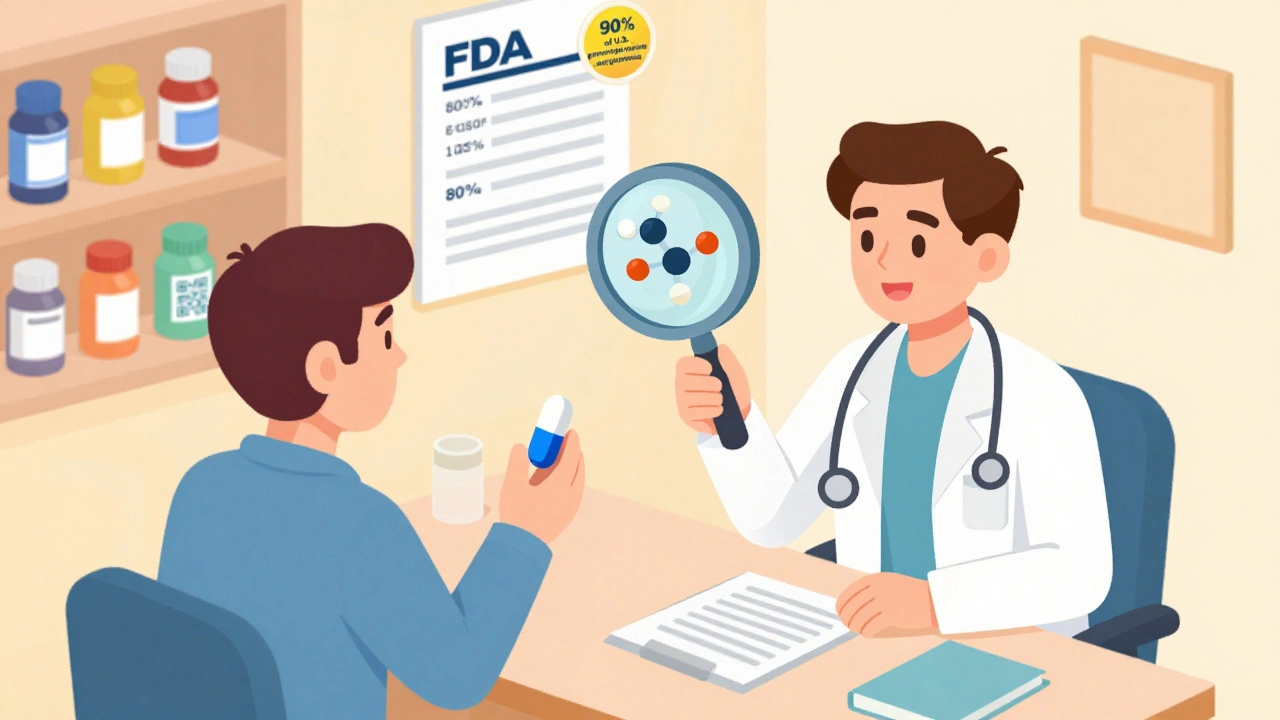
Switching a patient from a brand-name drug to a generic version usually seems like a win-win: the patient saves money, and the clinical outcome remains the same. But for healthcare providers, the reality isn't always a straight line. While generic medications is a pharmaceutical product containing the same active ingredients as brand-name drugs, typically sold at lower prices after patent expiration , the experience of prescribing them varies wildly depending on the therapeutic area. For a statin, it's a non-event; for an antiepileptic, it can be a clinical crisis.
The core of the provider's dilemma lies in the gap between regulatory "equivalence" and real-world patient response. Most providers rely on the FDA (Food and Drug Administration) to ensure that generics are bioequivalent, meaning they deliver the same amount of active ingredient into the bloodstream within the same timeframe. However, clinical case studies show that for some patients, the "inactive" ingredients-the fillers and binders-can trigger unexpected reactions or affect absorption, leading to breakthrough symptoms.
The Gold Standard: Understanding Bioequivalence and the Orange Book
To make informed decisions, providers look at specific pharmacokinetic markers. The FDA requires generics to demonstrate a bioequivalence range of 80-125% compared to the brand name. This is measured using two key metrics: Cmax (the maximum concentration of the drug in the blood) and AUC (the area under the curve, representing total drug exposure).
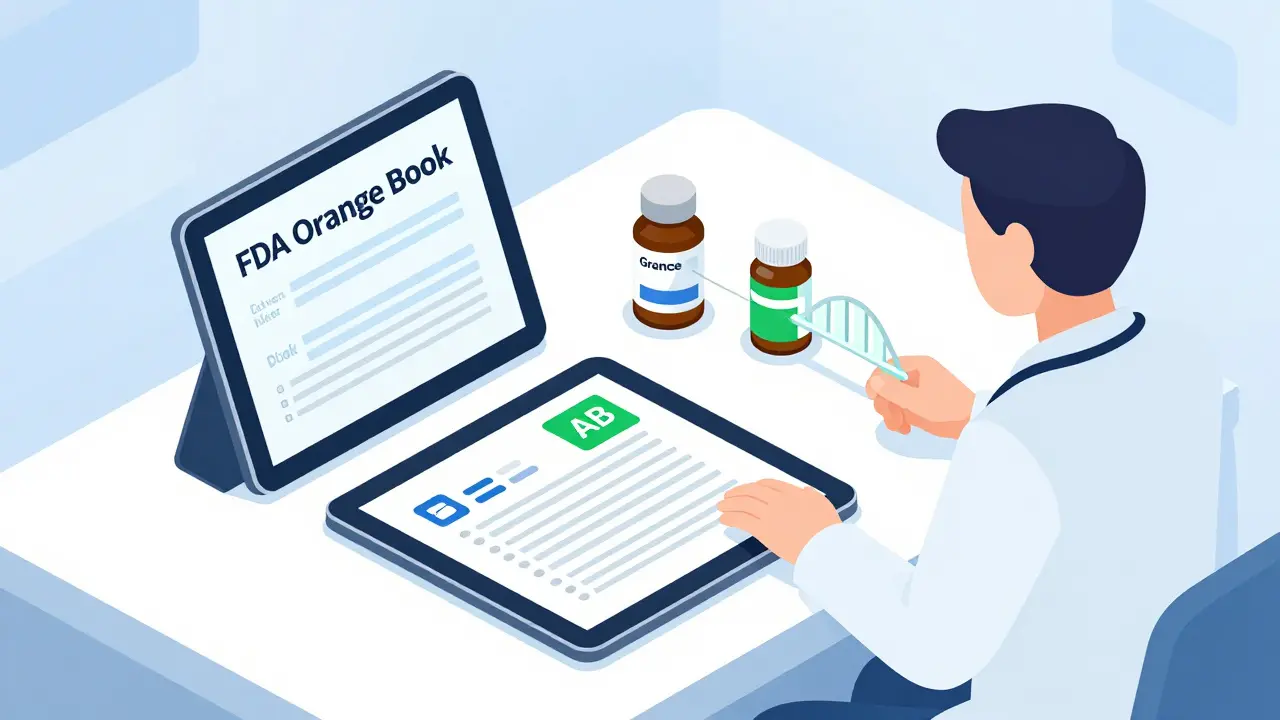
When a provider checks the Orange Book , they are looking for a therapeutic equivalence rating. An "AB" rating is the green light-it means the generic is therapeutically equivalent to the reference listed drug. But as providers have learned, these ratings can change. In 2016, the FDA shifted the rating of certain Concerta generics from AB to BX after a surge in "lack of effect" complaints. This shift serves as a reminder that real-world monitoring often catches issues that initial lab tests miss.
High-Stakes Substitution: Narrow Therapeutic Index Drugs
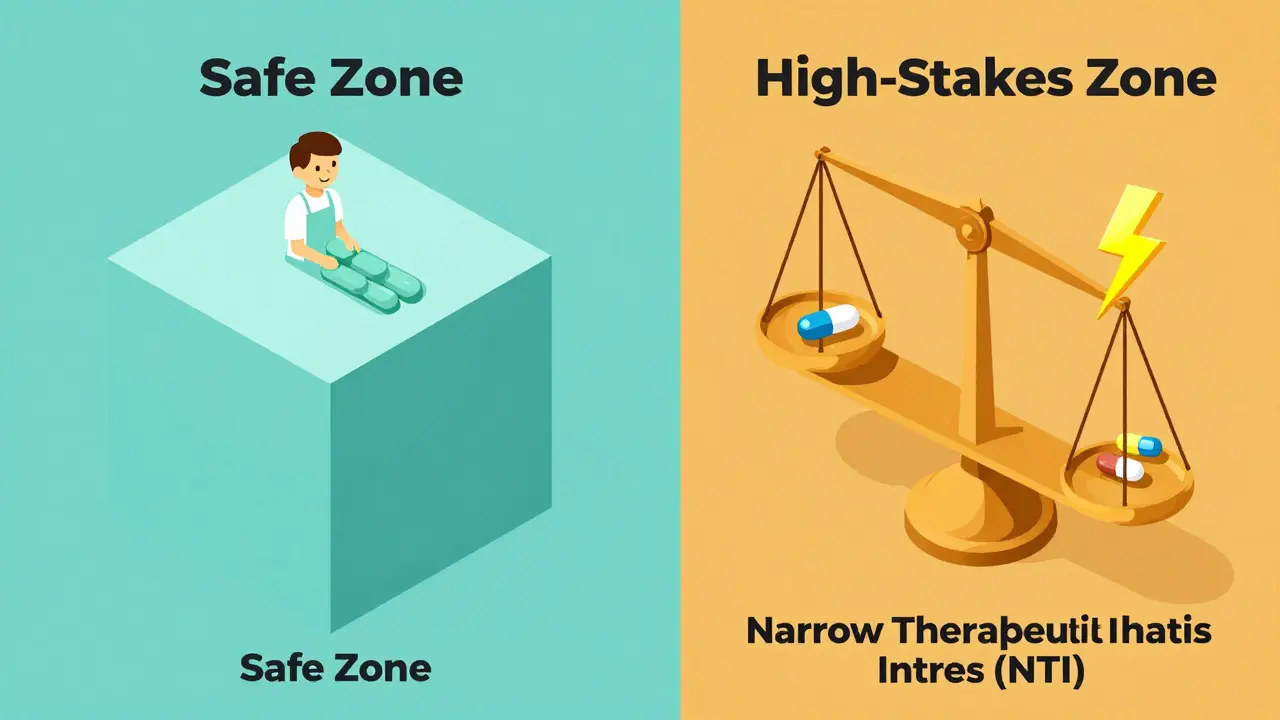
Not all drugs are created equal. For most common medications, like ACE inhibitors or statins, providers report a seamless transition. In fact, data shows that for drugs like atorvastatin, the shift to generics has saved millions in healthcare costs without impacting patient health. But things get complicated with "narrow therapeutic index" (NTI) drugs-medications where a tiny change in dose or blood concentration can lead to toxicity or treatment failure.
Providers are particularly cautious with the following categories:
- Antiepileptic Drugs (AEDs): The American College of Neurology warns against mandatory substitution of AEDs. Case reports have documented patients experiencing breakthrough seizures after switching from brand-name lamotrigine to a generic version, only to regain control once switched back to the brand.
- Immunosuppressants: For organ transplant recipients, a slight dip in drug concentration can lead to organ rejection.
- Anticoagulants: With drugs like warfarin, the margin for error is slim, making providers more likely to mark prescriptions "Dispense as Written" (DAW).
- Thyroid Hormones: Small variations in the absorption of generic levothyroxine can lead to fluctuating TSH levels.
| Drug Class | Substitution Confidence | Typical Provider Action | Primary Concern |
|---|---|---|---|
| Statins / ACE Inhibitors | Very High | Automatic Substitution | Cost savings |
| Antiepileptics (AEDs) | Low | Patient/Physician Approval Required | Breakthrough seizures |
| Immunosuppressants | Low | Dispense as Written (DAW) | Organ rejection |
| Atypical Neuroleptics | Moderate | Case-by-case monitoring | Psychiatric stability |
The "Authorized Generic" Middle Ground
One interesting development in provider experiences is the rise of Authorized Generics . These are essentially the brand-name drug, but sold without the brand name and usually at a lower price. They are often marketed by the original manufacturer.
A study published in JAMA Internal Medicine compared authorized generics to regular generics across several cardiovascular and psychiatric medications. The results were encouraging: there were no significant differences in clinical outcomes, such as cardiovascular endpoints or psychiatric hospitalizations. Interestingly, the study found that while overall hospitalizations were similar, users of authorized generics had a slightly higher likelihood of emergency department visits. For the provider, this suggests that authorized generics provide a safe "bridge" for patients who are nervous about switching to a completely different manufacturer.
Managing the Patient-Provider Perception Gap
Clinical equivalence is one thing; patient psychology is another. Many patients associate "generic" with "lower quality." This perception can lead to the "nocebo effect," where a patient experiences side effects simply because they believe the drug is inferior.
Providers who successfully manage this transition focus on education. According to research, physician recommendation is the primary driver for patients willing to switch, outweighing both pharmacist advice and cost. When a doctor explains why a generic is safe, patient confidence spikes. Interestingly, some data indicates that patients starting on generics actually have 13% higher adherence rates than those on brands, simply because the lower out-of-pocket costs make the medication more affordable over the long term.
However, a major headache for providers is "pharmacy hopping" or insurance changes that result in a patient receiving different generic manufacturers every month. If a patient is stable on "Generic A" but their pharmacy switches to "Generic B," the subtle difference in fillers can cause instability, especially in sensitive therapeutic areas.

Implementation Hurdles and Regulatory Fragmentation
The experience of prescribing generics is also heavily influenced by where the provider practices. In the U.S., regulation is fragmented by state. Some states mandate that pharmacists perform generic substitution, while others require explicit patient consent. This creates an administrative burden for providers who must navigate these rules to ensure their patients get the right version of a drug.
To combat this, many electronic health record (EHR) systems now integrate therapeutic equivalence indicators. Instead of flipping through a physical copy of the Orange Book, a provider can see a flag if a drug is AB-rated or if there are known concerns. This integration is crucial for reducing medication errors during the brand-to-generic transition.
The Future of Generic Substitution
We are moving toward a more personalized approach to generics. The rise of Biosimilars -which are the generic versions of complex biologic drugs-is the next big frontier. Unlike simple chemical generics, biosimilars are not identical copies but are "highly similar." This requires providers to have an even deeper understanding of the drug's mechanism of action.
Looking forward, the use of machine learning is beginning to play a role. Recent studies have used Random Forest models to predict which patients are most likely to accept a generic switch based on demographics and health history. This allows providers to identify "high-resistance" patients early and spend more time counseling them, ensuring a smoother transition and better adherence.
What does an "AB" rating in the Orange Book actually mean?
An AB rating indicates that the generic drug is therapeutically equivalent to the brand-name drug. This means the FDA has determined that the generic is bioequivalent and can be expected to have the same clinical effect and safety profile as the original product.
Why do some providers insist on "Dispense as Written" for generics?
Providers typically do this for narrow therapeutic index (NTI) drugs. In these cases, even a small variation in the drug's absorption or concentration-which might be acceptable for a blood pressure pill-could lead to a seizure in an epilepsy patient or organ rejection in a transplant recipient.
Are authorized generics different from regular generics?
Yes. An authorized generic is the exact same product as the brand-name drug, but it is sold without the brand name. Regular generics are created by other companies using the same active ingredient but may have different inactive fillers or binders.
Can the switch to a generic medication cause new side effects?
While the active ingredient is the same, the inactive ingredients (excipients) can differ. Some patients may be sensitive or allergic to a specific dye, filler, or binder used by one generic manufacturer but not another, which can manifest as a new side effect.
How does the FDA monitor the safety of generics after they hit the market?
The FDA uses the Sentinel Initiative and adverse event reporting systems to monitor real-world outcomes. If a high volume of "lack of effect" or adverse reaction reports are linked to a specific generic, the FDA can conduct a multi-disciplinary review and change the therapeutic equivalence rating in the Orange Book.