
Drug Combination Risk Calculator
Personal Risk Assessment
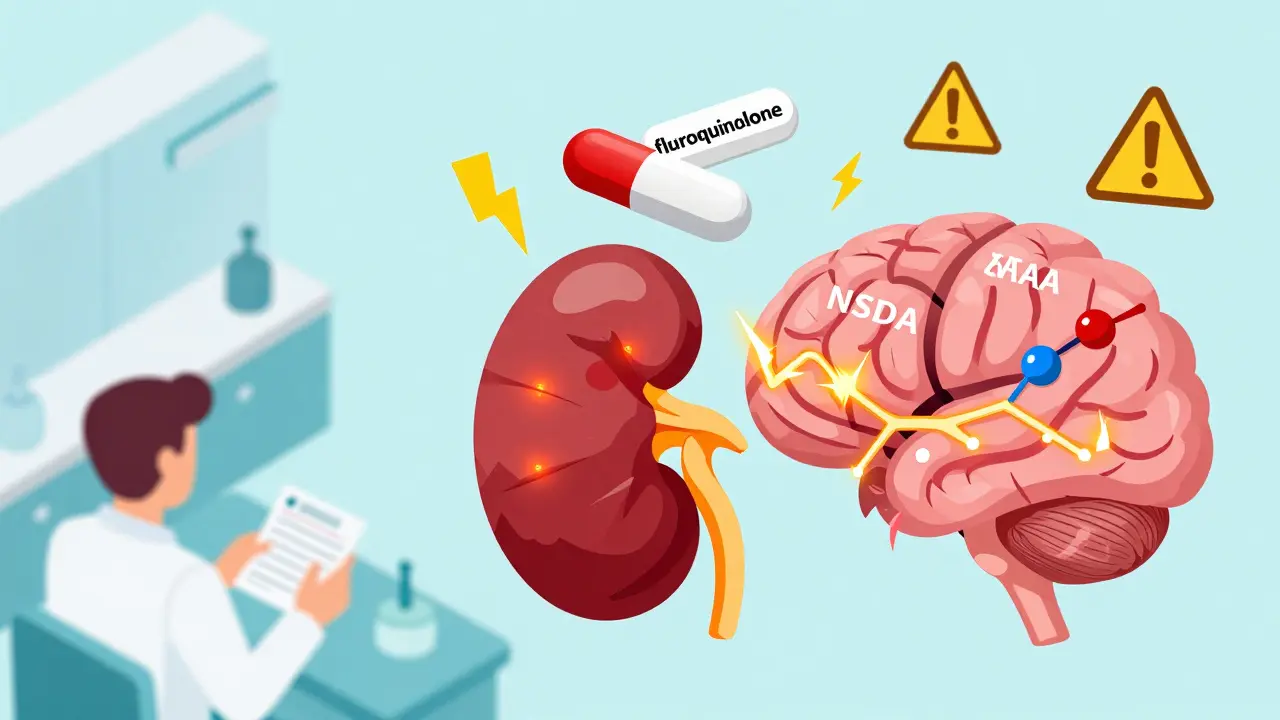
This tool calculates your risk of kidney damage and neurological complications when combining fluoroquinolone antibiotics with NSAIDs. Based on medical research showing increased risks in specific patient groups.
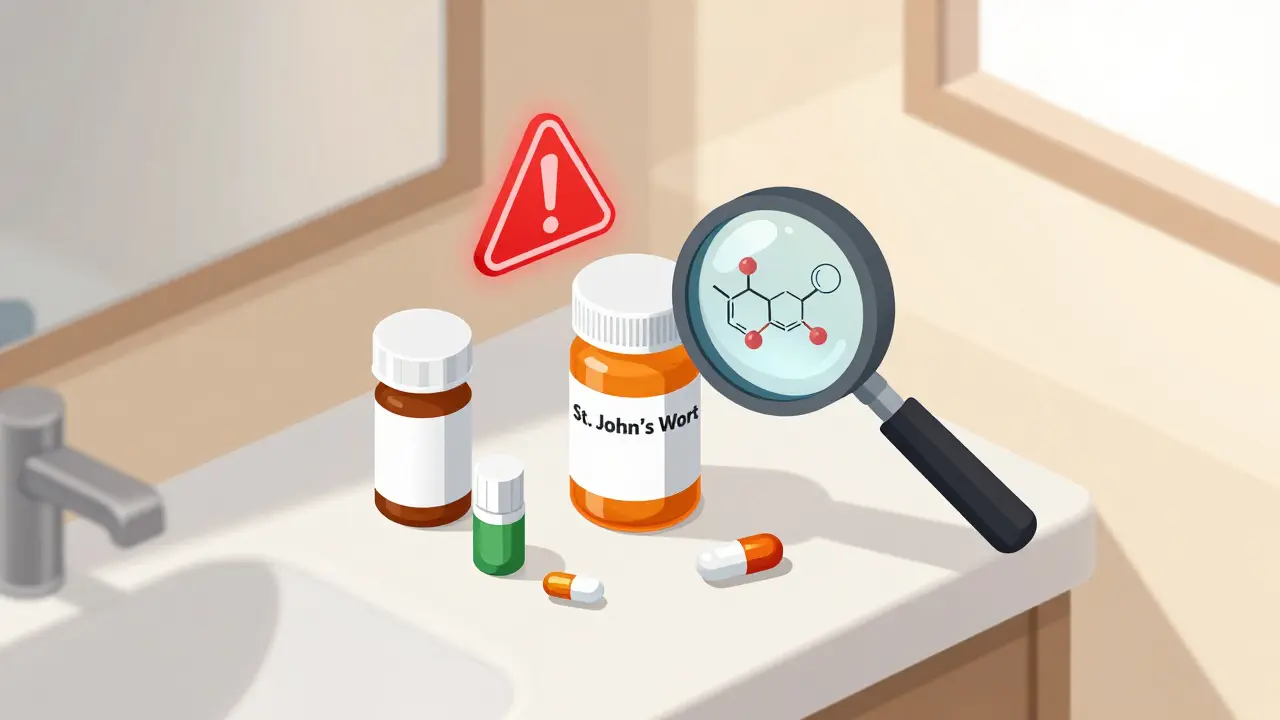
When you’re prescribed an antibiotic like ciprofloxacin or levofloxacin for a stubborn infection, and your doctor also recommends ibuprofen or naproxen for pain or fever, it’s easy to assume these drugs are safe together. But the truth is, combining fluoroquinolone antibiotics with NSAIDs can seriously increase your risk of lasting nerve damage and kidney injury - risks that many doctors still don’t talk about.
Why This Combination Is More Dangerous Than You Think
Fluoroquinolones - including ciprofloxacin, levofloxacin, moxifloxacin, and ofloxacin - are powerful antibiotics used for urinary tract infections, pneumonia, and other bacterial illnesses. But they come with hidden dangers. Studies show that during active use, these drugs double the chance of acute kidney injury requiring hospitalization, especially in men. The damage isn’t just temporary. It can trigger acute interstitial nephritis, where the kidney’s filtering tissue becomes inflamed, or crystalluria, where drug crystals form in the urine and block kidney tubules. NSAIDs like ibuprofen, naproxen, and diclofenac aren’t harmless either. They reduce blood flow to the kidneys by blocking prostaglandins - chemicals that help maintain kidney function. This becomes dangerous when you’re dehydrated, older, or already have reduced kidney function. The problem isn’t just each drug alone. It’s what happens when they’re taken together. A 2013 study in JAMA Internal Medicine found that when fluoroquinolones and NSAIDs are used together in elderly patients, the risk of acute kidney injury jumps up to 3.5 times higher than using either drug alone. The kidneys get hit from two sides: one drug damages the filtering units, the other cuts off their blood supply.Neurological Damage: More Than Just Headaches
Fluoroquinolones don’t just hurt your kidneys. They can mess with your brain. These antibiotics cross the blood-brain barrier and interfere with GABA receptors - the brain’s main calming system - while overstimulating NMDA receptors, which are linked to excitotoxicity. This imbalance can cause seizures, confusion, hallucinations, psychosis, and even Tourette-like movements. Ciprofloxacin is often linked to confusion and dizziness. Levofloxacin has a stronger association with seizures, especially in people with kidney problems. Ofloxacin, despite being more brain-penetrating, paradoxically shows fewer reports - suggesting other factors like dosage and duration matter more than just brain access. NSAIDs alone can cause headaches, dizziness, and, in rare cases, aseptic meningitis - a painful inflammation of the brain’s protective layers. But when you combine them with fluoroquinolones, especially if your kidneys aren’t clearing the drugs properly, both drugs build up in your bloodstream. In people with moderate kidney impairment (eGFR 30-59 mL/min/1.73m²), fluoroquinolone levels can spike by 50-100%. That means more drug reaching your brain, and more risk of neurological chaos.Real Cases, Real Damage
It’s not theoretical. In the UK’s Yellow Card reporting system, a 58-year-old man developed acute kidney injury - his creatinine jumped from 82 to 287 μmol/L - and severe peripheral neuropathy after taking ciprofloxacin 500mg twice daily with ibuprofen 400mg three times daily for a simple UTI. Eighteen months later, he still had nerve pain and kidney dysfunction. The Fluoroquinolone Effects Research Foundation surveyed 1,245 patients. Seventy-eight percent had symptoms lasting over six months. Thirty-two percent said they were permanently disabled. On Reddit’s r/FQAntibioticDamage, over 14,500 people share stories of chronic tendon pain, brain fog, tremors, and insomnia that started after just a 7-day course of levofloxacin. These aren’t rare outliers. They’re patterns. And they’re happening because the drugs are still prescribed together - often without warning.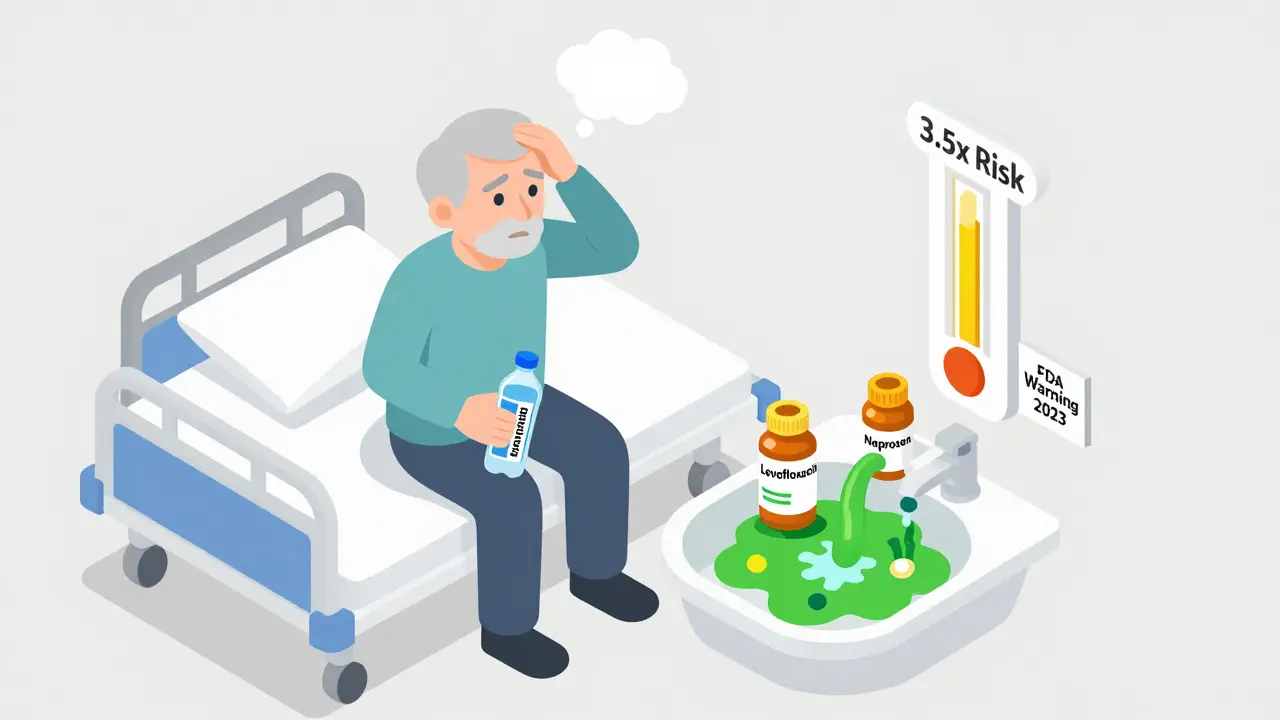
Who’s at Highest Risk?
You’re at greater risk if you:- Are over 60 - kidney function drops about 1% per year after 40
- Have an eGFR below 60 mL/min/1.73m²
- Have a history of seizures, epilepsy, or psychiatric disorders
- Are dehydrated or on diuretics
- Have diabetes, heart failure, or liver disease
What Should You Do Instead?
If you need an antibiotic and pain relief, here’s what to ask your doctor:- For UTIs: Nitrofurantoin or fosfomycin are safer than fluoroquinolones. They don’t carry the same neurological or renal risks.
- For respiratory infections: Amoxicillin-clavulanate is preferred over levofloxacin for most cases.
- For pain/fever: Skip NSAIDs. Use acetaminophen (paracetamol) instead. It doesn’t affect kidney blood flow or interact with fluoroquinolones.
- If fluoroquinolones are unavoidable: Avoid NSAIDs entirely. Use acetaminophen. Stay well-hydrated. Monitor for tingling, dizziness, or changes in urine output.
Regulatory Actions Are Already Happening
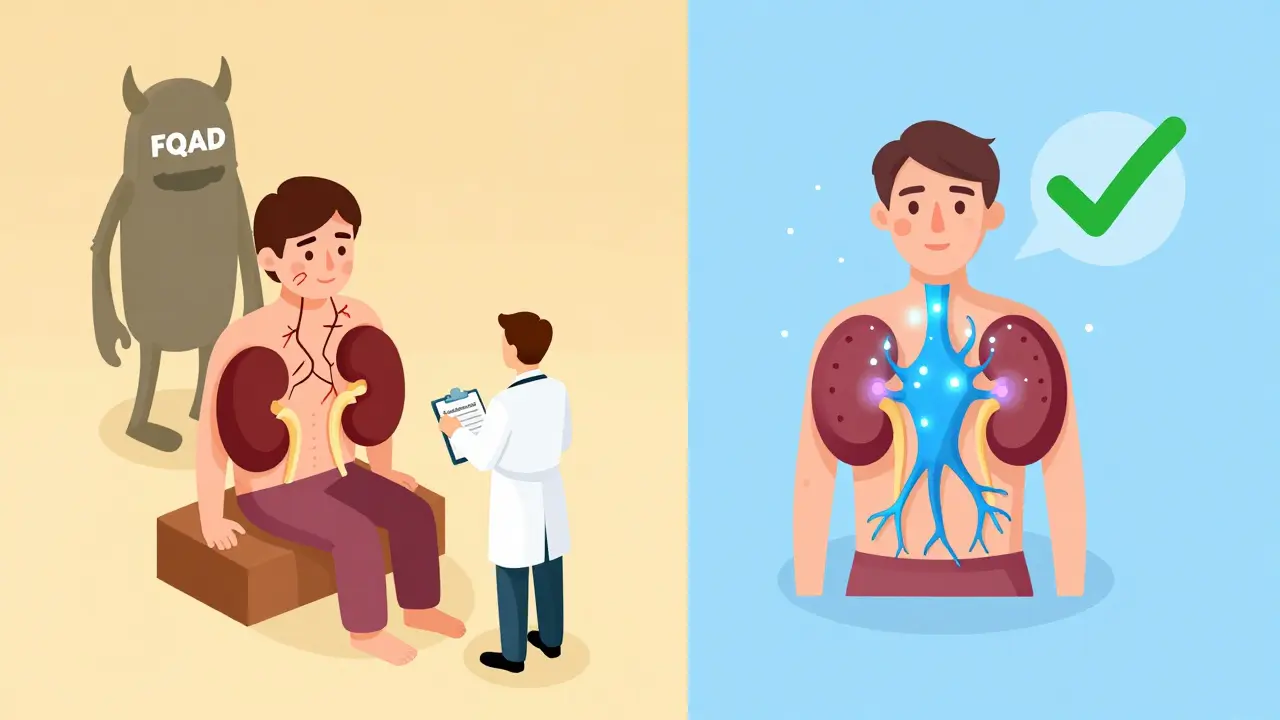
Health Canada warned in 2017 that fluoroquinolone side effects can be “persistent and disabling.” The European Medicines Agency followed in 2019, restricting these drugs to infections with no other treatment options. The UK’s MHRA now requires doctors to consider alternatives first. In the U.S., fluoroquinolone prescriptions dropped 22% between 2015 and 2022. Levofloxacin use fell 34%. Why? Because doctors are starting to listen. The FDA’s 2023 announcement of upcoming label changes to include warnings about mitochondrial toxicity - a mechanism that may explain why damage lasts for years - is another sign that the tide is turning.The Bottom Line
Fluoroquinolones aren’t “last resort” drugs anymore - they’re high-risk tools. And pairing them with NSAIDs? That’s like pouring gasoline on a smoldering fire. The damage can be immediate. Or it can creep in slowly, then stick around forever. If you’re currently taking both, talk to your doctor. Don’t wait for symptoms. Ask: “Is there a safer antibiotic I can use? Can I switch from ibuprofen to acetaminophen?” Your kidneys and your nervous system will thank you.Can fluoroquinolones and NSAIDs be taken together safely?
Generally, no. Combining fluoroquinolone antibiotics with NSAIDs significantly increases the risk of acute kidney injury and neurological side effects like seizures, confusion, and peripheral neuropathy. These risks are especially high in older adults, people with kidney impairment, or those who are dehydrated. Guidelines now recommend avoiding this combination whenever possible. If both drugs are necessary, use the lowest possible doses for the shortest time and monitor closely.
Which fluoroquinolone has the highest risk of neurological side effects?
Levofloxacin has the strongest association with seizures and delirium, especially in patients with reduced kidney function. Ciprofloxacin is more commonly linked to confusion and dizziness. Moxifloxacin carries a higher risk of QT prolongation and cardiac issues. Ofloxacin, despite high brain penetration, has fewer reported neurotoxic cases - possibly due to lower dosing or different pharmacokinetics. The key factor isn’t just the drug, but your kidney health and whether you’re also taking NSAIDs.
How do NSAIDs worsen kidney damage from fluoroquinolones?
NSAIDs reduce blood flow to the kidneys by blocking prostaglandins, which normally help keep the kidneys functioning under stress. Fluoroquinolones can directly damage kidney tissue through inflammation (interstitial nephritis) or crystal formation. When taken together, the kidneys lose both their blood supply and their structural integrity. This double hit is why the risk of acute kidney injury jumps 3.5 times higher in elderly patients using both drugs.
What are safer alternatives to fluoroquinolones for infections?
For uncomplicated urinary tract infections, nitrofurantoin or fosfomycin are preferred. For respiratory infections, amoxicillin-clavulanate or doxycycline are safer choices. For skin infections, cephalexin or clindamycin are often effective. Fluoroquinolones should only be used when these alternatives are unsuitable or ineffective - and never with NSAIDs.
Can the nerve and kidney damage from this drug combo be reversed?
Sometimes, yes - but not always. Many patients recover fully after stopping the drugs. However, a significant number - up to 32% in one study - report permanent disability, including chronic nerve pain, muscle weakness, and reduced kidney function. The damage may be linked to mitochondrial toxicity, which can persist long after the drugs are cleared. Early recognition and discontinuation improve outcomes, but there’s no guaranteed cure once damage is established.
Why aren’t doctors warning patients more often?
Many clinicians still view fluoroquinolones as safe and effective, especially for fast symptom relief. Regulatory warnings have been issued since 2017, but implementation varies. Patient advocacy and increased awareness through platforms like Reddit and research foundations are slowly changing practice. If you’re prescribed both a fluoroquinolone and an NSAID, it’s your right to ask: “Is this combination necessary? Are there safer options?”
Ethan Zeeb
March 3, 2026 AT 15:25They still push this combo like it's nothing. I got cipro and ibuprofen for a UTI last year. Two weeks later, my ankles felt like they were full of glass. Now I can't run, can't even walk far without burning pain. No doctor took it seriously until I showed them the studies. Don't wait for it to get bad. Ask for alternatives before they write the script.
Justin Rodriguez
March 3, 2026 AT 18:28As a nephrologist, I see this every month. The worst cases? Younger patients - 30s, 40s - who thought "it's just a UTI" and took NSAIDs for the fever. By the time they come in, their eGFR is down 40%. We don't even use fluoroquinolones for uncomplicated UTIs anymore. Nitrofurantoin works just as well, no brain fog, no tendon explosions. If your doc pushes cipro, ask why. They might not know the data.
Chris Beckman
March 5, 2026 AT 04:09u/justinrodriguez is right but lets be real - the FDA has been asleep at the wheel for 20 years. Fluoroquinolones were approved because they were "broad spectrum" and pharma loved them. The real problem? Doctors are lazy. They don't want to look up guidelines. They just grab the first antibiotic that sounds familiar. And NSAIDs? Over the counter = "harmless". Bullshit. I've seen 70-year-olds on naproxen and cipro die from renal failure. It's not rare. It's predictable.
Stephen Vassilev
March 5, 2026 AT 08:46Let me be clear: This isn't an accident. The pharmaceutical industry has known about mitochondrial toxicity since the 1990s. They buried the data. The WHO, FDA, EMA - all complicit. Why? Because fluoroquinolones are multi-billion dollar drugs. The "side effects" are not side effects - they're engineered outcomes. People who get damaged? They're collateral. The system doesn't care. The only reason this is getting attention now is because Reddit and patient forums forced it into the light. The real war isn't with doctors - it's with corporate greed.
Deborah Dennis
March 7, 2026 AT 03:42So... you're saying I shouldn't take ibuprofen with my cipro? Wow. That's a revelation. I thought it was fine because my grandma did it in the 80s.
Shivam Pawa
March 7, 2026 AT 22:08Been there. Took cipro + naproxen for a sinus infection. 3 months later - brain fog, tingling hands, kidney pain. No one believed me. Now I only use acetaminophen. No more NSAIDs. No more fluoroquinolones. Simple. Safe. My body thanks me. Stay well.
Diane Croft
March 8, 2026 AT 16:16You're not alone. I was scared to speak up at first - but now I tell everyone I know. If you're prescribed cipro, ask: "What's the safest option?" If they hesitate - walk out. Your health is worth more than their convenience. You got this.
Tobias Mösl
March 10, 2026 AT 10:07They call it "adverse reaction" - but it's systemic poisoning. Fluoroquinolones are not antibiotics. They're chemical weapons disguised as pills. The tendon ruptures? The neuropathy? The permanent fatigue? That's not a side effect - that's a signature. And NSAIDs? They're not innocent bystanders. They're accelerants. This isn't medicine. It's chemical warfare on the public. And the FDA? They're the enablers. Wake up.
Darren Torpey
March 12, 2026 AT 06:08Man, I was a skeptic until I saw my cousin go from hiking marathons to using a cane after cipro + Motrin. Now I call it "FQ Flu" - and I warn everyone. It's not just kidneys or nerves - it's your whole damn life. Acetaminophen is your new best friend. Nitrofurantoin? Your quiet hero. Don't gamble with your body. The combo is a ticking bomb. And you? You're the fuse.
Lebogang kekana
March 12, 2026 AT 18:49South Africa doesn't even use fluoroquinolones for UTIs anymore. We learned the hard way. Too many young people ended up with permanent nerve damage. Now we use amoxicillin or fosfomycin. Simple. Cheap. Safe. If your doctor still prescribes cipro with ibuprofen - find a new one. Your body doesn't owe them loyalty.
Jessica Chaloux
March 13, 2026 AT 10:14I'm still in pain. 2 years. No one listens. I just want someone to say "I believe you."