Biosimilars: What They Are, How They Work, and Why They Matter
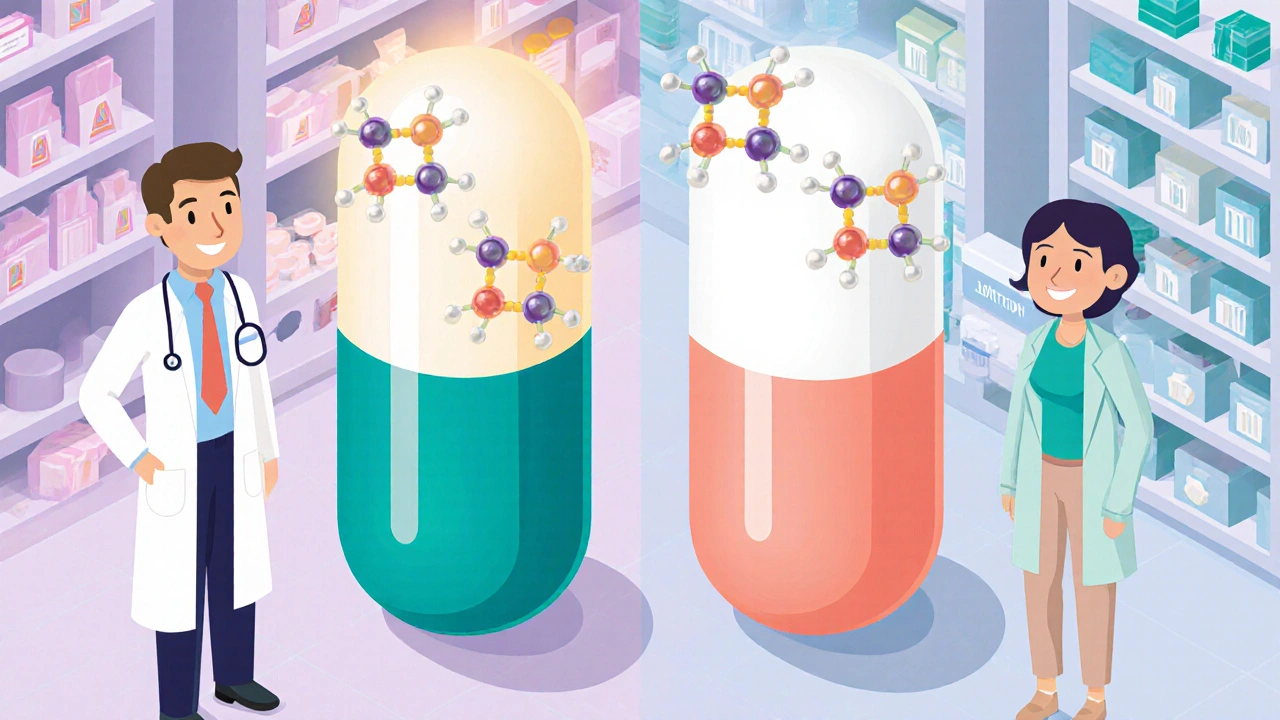
When you hear biosimilars, highly similar versions of complex biologic drugs that are approved after the original patent expires. Also known as biologic generics, they offer the same clinical benefits as their brand-name counterparts but at a fraction of the cost. Unlike regular generic pills, which are simple chemical copies, biosimilars are made from living cells—making them far more complex to produce and replicate. That’s why they’re not exact copies, but close enough to work the same way in your body. The FDA and other global health agencies require rigorous testing to prove they match the original in safety, strength, and effectiveness.
They’re not just about saving money—they’re changing how people access life-saving treatments. For example, drugs used for rheumatoid arthritis, cancer, and diabetes often cost tens of thousands a year. Biosimilars bring those prices down by 15% to 35%, sometimes more. This isn’t theoretical. In Europe, where biosimilars have been used for over a decade, patients with autoimmune diseases now get treatment they couldn’t afford before. In the U.S., adoption is growing fast, especially as more biologics lose patent protection. But confusion still exists. Some patients worry they’re getting a weaker version. That’s not true. Studies show no meaningful difference in outcomes when switching from a brand-name biologic to its biosimilar.
Still, not every biologic has a biosimilar yet—and not every doctor is comfortable recommending one. That’s where the real challenge lies: education. Patients need to know biosimilars aren’t experimental. They’re backed by years of data. Pharmacists need to know how to explain them. And insurers need to stop making it harder to switch than to stay on the expensive brand. The posts below cover real-world examples: how biosimilars compare to brand-name drugs like Humira or Enbrel, what to watch for when switching, why some people still get pushback from providers, and how to talk to your doctor about cost without sacrificing care.
What you’ll find here isn’t theory. It’s what people are actually experiencing—whether they’re managing Crohn’s disease, psoriasis, or cancer. You’ll see how biosimilars fit into the bigger picture of drug pricing, generic alternatives, and medication safety. No fluff. Just facts, comparisons, and practical advice to help you make smarter choices about your treatment.
Generic drugs save billions but still face distrust. Learn how transparency, education, and new technologies are changing perceptions - not by lowering prices, but by building trust in quality and reliability.
View More