
Triptan Selection Tool
Find the Right Triptan for Your Migraine
Answer a few questions about your medical history and symptoms to get personalized triptan recommendations based on the latest medical guidelines.
Your Medical Profile
Recommendations
Triptans changed how we treat migraines. Before they came along, people were stuck with painkillers that barely touched the pain or ergotamines that came with a long list of risks. Now, if you’re having a bad migraine, your doctor might hand you a pill like sumatriptan, rizatriptan, or zolmitriptan - all part of the triptan family. They work fast. For many, they turn a crippling headache into something manageable in under two hours. But here’s the catch: they’re not magic. And they’re not safe for everyone. If you’re taking other meds, have heart issues, or keep getting migraines that come back within a day, triptans might not be the answer - or they might need to be used differently.
How Triptans Actually Work
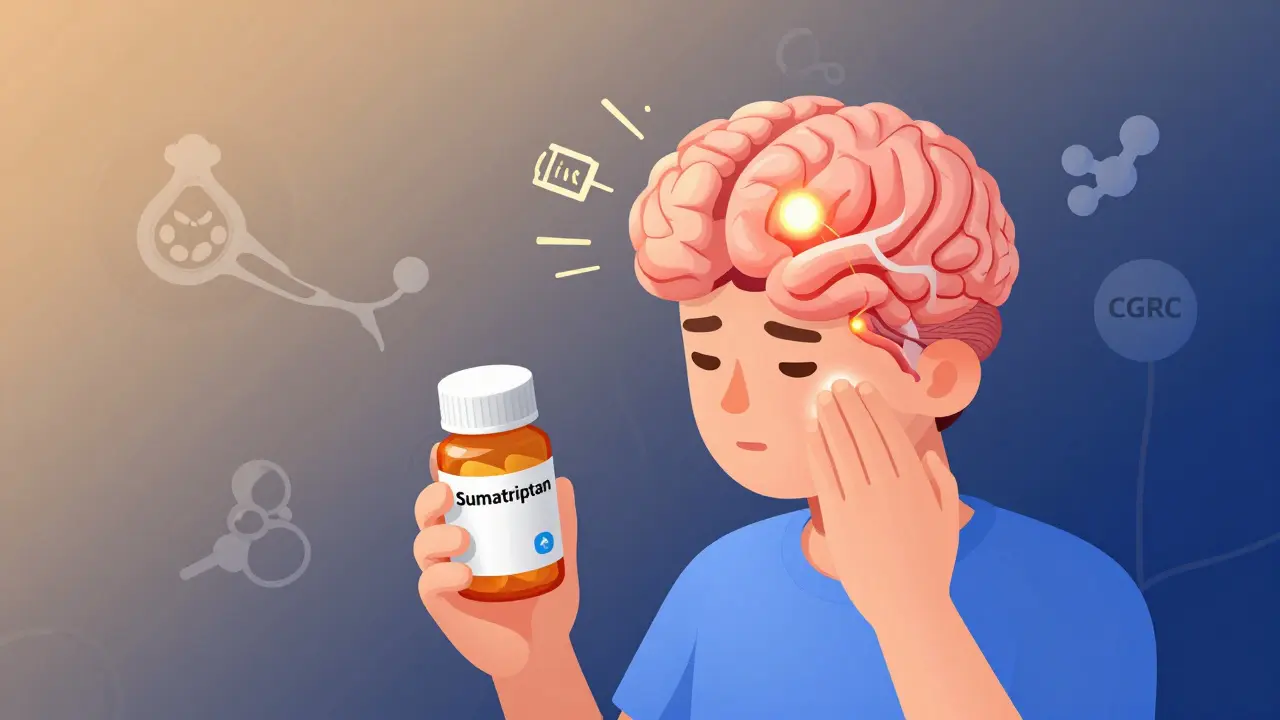
Triptans don’t just numb pain. They target the root of a migraine attack. During a migraine, blood vessels in your head swell, and nerves around them release chemicals like CGRP and substance P. These chemicals make the pain worse and trigger nausea, light sensitivity, and even vomiting. Triptans bind to serotonin receptors - specifically 5-HT1B and 5-HT1D - and do two things: they squeeze those swollen blood vessels back to normal size, and they shut down the nerve signals sending pain messages to your brain. It’s like flipping a switch that stops the whole chain reaction.
That’s why timing matters. If you take a triptan during the aura phase - the flickering lights or tingling before the headache - you’re trying to stop something that’s already calming down. By the time the pain hits, the blood vessels are wide open. That’s when triptans work best. Take them too early, and they won’t help. Wait too long, and the pain becomes harder to reverse.
The Seven Triptans You Might Be Prescribed
There are seven FDA-approved triptans, and they’re not all the same. Each has a different half-life, absorption rate, and how well it works for different people. Here’s what you need to know:
- Sumatriptan (Imitrex): The original. Works fast, but lasts only 2 hours. You might need a second dose if the headache comes back. Oral form has low bioavailability - only 14% gets into your system.
- Rizatriptan (Maxalt): Better absorbed than sumatriptan. 40% bioavailability. Often works faster and stronger in the first two hours. Comes as a melt-in-mouth tablet if you’re nauseous.
- Zolmitriptan (Zomig): Also well absorbed (49%). Nasal spray version works quicker than pills. Good for people who can’t swallow pills during an attack.
- Naratriptan (Amerge): Slow to start, but lasts longer. Half-life is 6 hours. Less likely to cause a rebound headache, but may not help if you need fast relief.
- Frovatriptan (Frova): Longest half-life - 26 hours. Used for menstrual migraines or if you get attacks that last days. Takes longer to kick in, but keeps the pain away.
- Almotriptan (Axert): Middle ground. Good balance of speed and duration. Fewer side effects than some others.
- Eletriptan (Relpax): Highest success rate for complete pain relief in two hours - 75% in clinical trials. But it’s also linked to more chest tightness.
Studies show that about 30-40% of people don’t respond to one triptan. But here’s the good news: if one doesn’t work, another might. Around 30-40% of non-responders to sumatriptan respond to rizatriptan or eletriptan. It’s not about being resistant to triptans - it’s about finding the right one for your body.
When Triptans Are Dangerous
Triptans are safe for most people. But if you have certain conditions, they can be risky. The biggest red flags are heart-related:
- History of heart attack or angina
- Coronary artery disease
- Uncontrolled high blood pressure
- Stroke or TIA (mini-stroke)
- Peripheral artery disease
- Severe liver problems
Why? Because triptans constrict blood vessels. In someone with narrowed arteries, that can trigger a heart attack or stroke. The risk is low - about 0.08 cases per 10,000 patient-years with sumatriptan - but it’s real. That’s why doctors ask about chest pain, shortness of breath, or family history of early heart disease before prescribing.
Another hidden risk is serotonin syndrome. It’s rare, but it happens when triptans are mixed with SSRIs or SNRIs - antidepressants like sertraline, fluoxetine, or venlafaxine. Both raise serotonin levels. Together, they can cause confusion, rapid heart rate, muscle stiffness, fever, or seizures. Most cases are mild, but some require hospitalization. If you’re on antidepressants, tell your doctor. You might still be able to use triptans, but you’ll need to be watched closely.

Side Effects You Can’t Ignore
Most people tolerate triptans fine. But side effects are common - and they’re not just "a little dizzy."
- Chest or throat tightness: Reported by 5-7% of users. Feels like pressure, not pain. Usually goes away in minutes. But if you’ve never had this before, it can scare you into thinking it’s a heart attack. Don’t panic - call your doctor if it lasts longer than 15 minutes.
- Dizziness or fatigue: Affects 4-10%. You might feel like you’ve been hit by a truck. Don’t drive or operate machinery after taking one.
- Nausea or vomiting: Especially with oral forms. Switching to nasal spray or melt-in-mouth tablets helps.
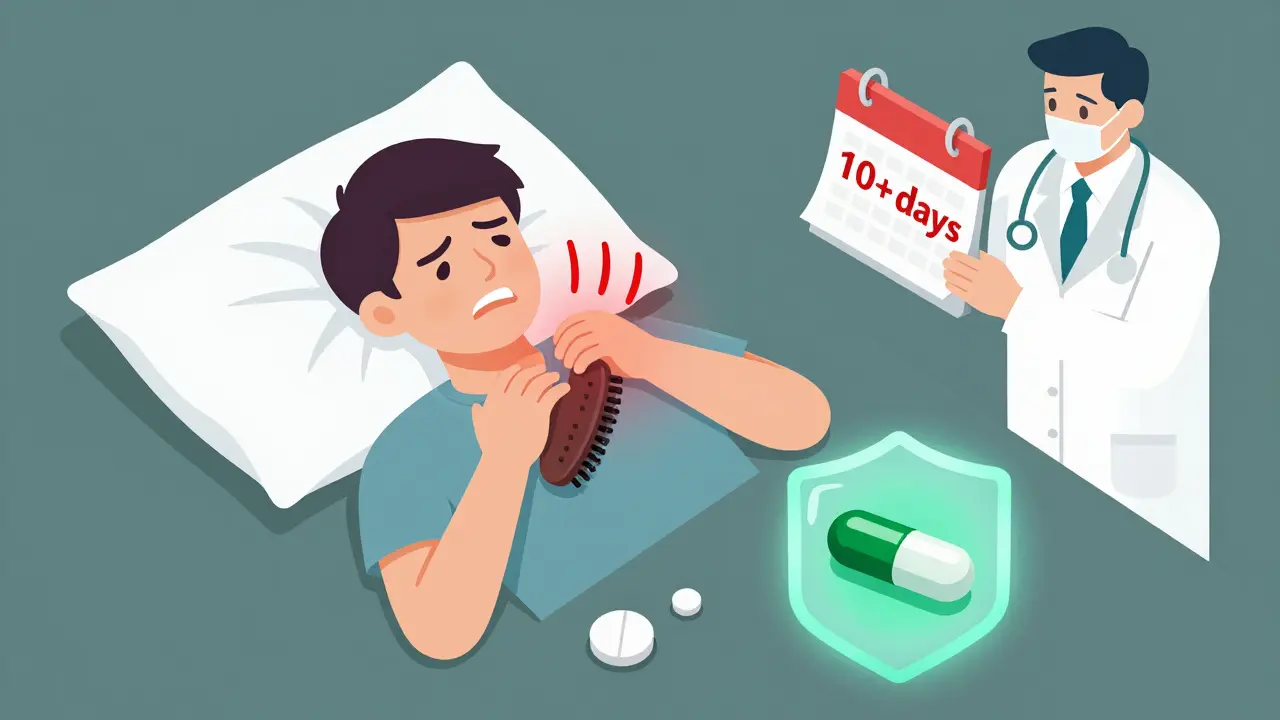
- Rebound headaches: If you use triptans more than 10 days a month, you risk turning your migraines into daily headaches. That’s why guidelines say no more than 2 doses per day and no more than 10 days per month.
One thing patients rarely talk about: cutaneous allodynia. That’s when your skin becomes painfully sensitive. You can’t wear a shirt, brush your hair, or rest your head on a pillow. If you have this, triptans are much less effective - only 30-40% success versus 70-80% in people without it. That’s a sign your migraine has progressed beyond the early stage. You might need a different approach.
Drug Interactions Beyond Antidepressants
It’s not just SSRIs and SNRIs. Other drugs can mess with triptans too.
- Ergotamines (like Cafergot): Never combine with triptans. Both constrict blood vessels. Together, they can cause dangerous spasms.
- MAOIs (older antidepressants like phenelzine): Can cause severe high blood pressure if taken with triptans. Avoid completely.
- Other vasoconstrictors: Like pseudoephedrine (in cold meds) or certain blood pressure pills. Can add to the risk.
- NSAIDs: Actually, these can help. Combining sumatriptan with naproxen (500mg) boosts pain-free rates to nearly 27% - much better than either alone. This combo is now a standard option for moderate-to-severe attacks.
Always check with your pharmacist before mixing any new meds - even over-the-counter ones. A simple cold pill could undo the safety of your migraine treatment.
Why Triptans Stop Working - And What to Do
Many people start with a triptan that works wonders. Then, after a few months, it doesn’t help as much. Why?
- You’re taking it too late. Waiting until the pain is at 8/10 means the brain is already flooded with pain signals.
- You’re using it too often. More than 10 days a month leads to medication overuse headache.
- Your migraine pattern changed. Hormonal shifts, stress, sleep loss - all can make attacks harder to treat.
- You developed allodynia. The migraine has moved into a more advanced stage.
Studies show that half of people who stop using a triptan do so because it stopped working - not because of side effects. The fix? Switch. Try a different triptan. If one failed, try another with a different half-life or delivery method. Rizatriptan melt-tabs might work when sumatriptan pills didn’t. Zolmitriptan nasal spray might be the answer if nausea is the problem.
If you’ve tried three different triptans and none worked, it’s time to look beyond them. Newer drugs like gepants (ubrogepant, rimegepant) and ditans (lasmiditan) don’t constrict blood vessels. They’re safer for people with heart issues and often work when triptans don’t.
The Bigger Picture: Triptans in 2026
Triptans still make up nearly half of all migraine prescriptions. But the landscape is shifting. Newer drugs are growing fast. Gepants block CGRP - the very chemical triptans try to suppress - without touching blood vessels. Ditans target a different serotonin receptor (5-HT1F) and don’t cause chest tightness. They’re expensive, but for people who can’t use triptans, they’re life-changing.
Still, triptans aren’t going away. They’re cheap, well-studied, and effective for most people without heart disease. The goal isn’t to replace them - it’s to use them smarter. Know your limits. Know your triggers. Know when to switch. And never ignore chest pain or skin sensitivity - those are signals your body is giving you.
If you’ve been on triptans for years and still get migraines every week, you’re not failing. Your treatment plan might just need updating. Talk to your doctor about alternatives. You deserve relief - not just a pill that sometimes works.
Can I take triptans if I’m on an SSRI for depression?
Yes, but with caution. Combining triptans with SSRIs or SNRIs can increase the risk of serotonin syndrome, though serious cases are rare. Most people tolerate the combo fine, but you should be monitored for symptoms like confusion, rapid heartbeat, muscle stiffness, or fever. If you’re on an antidepressant, tell your doctor before starting a triptan. They may start you on a lower dose or choose a triptan with less serotonin activity, like frovatriptan.
Why do triptans make my chest feel tight?
Triptans cause blood vessels to narrow - including those in your chest. That’s how they stop migraine pain. But when those vessels tighten, you might feel pressure, heaviness, or a squeezing sensation. It’s not a heart attack, but it can feel like one. The feeling usually lasts less than 15 minutes and goes away on its own. If it lasts longer, gets worse, or spreads to your arm or jaw, seek medical help immediately.
What’s the best time to take a triptan?
Take it as soon as the headache starts - not during aura. If you get warning signs like flashing lights or numbness, wait until the actual pain begins. Taking it too early won’t help because your blood vessels haven’t dilated yet. Waiting too long makes it harder for the drug to reverse the pain. Most people get the best results when they take it within 20 minutes of pain onset.
Can I take two triptans in one day?
No - not even different ones. You should never take more than one triptan in a single day. Even if you take sumatriptan first and then rizatriptan later, you’re still doubling down on the same mechanism. The risk of dangerous vasoconstriction increases. Stick to one triptan per attack, and never exceed two doses in 24 hours. If the first dose doesn’t work, wait at least two hours before trying a second dose of the same drug.
Are triptans safe during pregnancy?
There’s not enough data to say they’re completely safe. Most experts recommend avoiding triptans during pregnancy unless absolutely necessary. If you’re pregnant and have severe migraines, talk to your OB-GYN and neurologist. Safer options like acetaminophen, rest, and hydration are usually tried first. If you must use a triptan, sumatriptan has the most safety data and is often chosen if other treatments fail.
What if triptans don’t work for me at all?
You’re not alone. About 10% of migraine sufferers don’t respond to any triptan. That doesn’t mean you’re out of options. Newer drugs like ubrogepant, rimegepant (gepants), and lasmiditan (ditan) work differently - they don’t constrict blood vessels and often help when triptans fail. Non-medication options like CGRP monoclonal antibodies (e.g., Aimovig, Emgality) are also used for prevention. Talk to a headache specialist. You may need a personalized plan that combines acute and preventive treatments.
James Dwyer
January 27, 2026 AT 20:58Triptans saved my life after years of debilitating migraines. I used to miss work every other week. Now, I take rizatriptan as soon as the aura fades, and I’m back to normal in 90 minutes. Not perfect, but life-changing.
Just don’t overuse them - I learned that the hard way.
jonathan soba
January 29, 2026 AT 16:12Let’s be honest - the whole triptan class is a band-aid on a broken spine. The fact that we’re still prescribing vasoconstrictors in 2026 is a testament to how little progress pharma has made. Sure, they work for some. But the side effect profiles? A graveyard of unspoken risks.
And don’t get me started on the ‘switch triptans until one works’ advice - that’s just throwing darts blindfolded.
matthew martin
January 30, 2026 AT 06:44Man, I love how this post breaks it down like a clinical mixtape. Triptans aren’t magic bullets - they’re more like tuning forks for your brain’s pain frequency.
Some folks get the right note on sumatriptan, others need the deeper hum of frovatriptan. And that chest tightness? It’s not a heart attack - it’s your blood vessels saying, ‘Hey, we’re doing our job.’
But yeah, if you’re on SSRIs, tread light. Serotonin syndrome isn’t a myth - it’s just rare enough that docs forget to warn you.
Also, cutaneous allodynia? That’s the migraine screaming, ‘I’m past the point of no return.’ If your pillow feels like sandpaper, you’re already too late for triptans to save you. Gepants are your new best friend.
Chris Urdilas
January 31, 2026 AT 14:15So we’re telling people to take a drug that constricts blood vessels… but only if they don’t have a heart, or high blood pressure, or a pulse, or a body?
Meanwhile, the real solution is just… rest? Water? Sleep? Why are we still paying $120 for a pill that tells your arteries to calm down?
Also, ‘take it when the pain hits’ - great advice, unless you’re the one who gets pain at 3 a.m. and can’t swallow a pill while vomiting.
Also also - why does no one talk about how triptans make you feel like you ran a marathon while being yelled at by a ghost?
Jeffrey Carroll
January 31, 2026 AT 16:59While the pharmacological mechanisms of triptans are well-documented, the clinical guidelines surrounding their usage remain inconsistently applied across primary care settings. A significant proportion of patients are not adequately screened for cardiovascular risk factors prior to initiation, and medication overuse headache is frequently underrecognized.
It is imperative that prescribers engage in shared decision-making, particularly when considering combination therapies with NSAIDs or concurrent antidepressant use.
Further research into biomarkers predictive of triptan responsiveness would significantly enhance therapeutic precision.
Phil Davis
February 1, 2026 AT 06:31Oh wow, a whole article about triptans and not a single mention of how the pharmaceutical industry profits off people who can’t sleep because their brain’s on fire.
Also, ‘switch triptans until one works’ - sounds like a game show. ‘Welcome back, Karen! You’ve tried four, now pick your fifth poison!’
And yet, here we are. Still paying $80 for a pill that makes your chest feel like it’s being hugged by a very determined octopus.
Irebami Soyinka
February 2, 2026 AT 23:59Y’all in the West think you invented pain. In Nigeria, we have mothers who carry babies for 12 hours while having migraines and still cook fufu with one hand.
Triptans? You need insurance to even see them. We have ginger tea, cold cloths, and silence. No doctor. No pill. Just survival.
Don’t act like your chest tightness is a tragedy - it’s just your privilege talking.
And yes, I said it. 😌
Mel MJPS
February 3, 2026 AT 17:12I’ve been on SSRIs for 8 years and just started taking sumatriptan last month. I was terrified of serotonin syndrome - my doctor was too. But we started low, watched me like a hawk for two weeks, and I’m fine.
My chest tightness lasted 5 minutes, max. Honestly? It’s way less scary than the migraine itself.
Also - I switched to the nasal spray because I couldn’t keep pills down. Game changer.
You’re not alone if you’re scared. Just talk to your doc. They’ve seen it all.
Katie Mccreary
February 4, 2026 AT 07:37So you’re telling me I can’t take two triptans in one day… but I can take three ibuprofen, a naproxen, and a caffeine pill? Sounds like a scam.
Also, ‘don’t use more than 10 days a month’ - good luck with that if you’re a woman with menstrual migraines.
Also also - why is frovatriptan only for ‘menstrual’ migraines? Like, men don’t get those? Just saying.
Kevin Kennett
February 6, 2026 AT 00:15Look - I’ve been on five different triptans. Sumatriptan? Too slow. Rizatriptan? Made me feel like I was underwater. Eletriptan? Gave me chest pain that felt like a vise.
Then I tried zolmitriptan nasal spray. Took 17 minutes. No nausea. No panic. Just… relief.
And yeah, I took two doses last week. I don’t care. My job depends on me not being curled up in a ball.
Stop acting like triptans are dangerous - they’re dangerous if you ignore your body. Listen to it. Adjust. Switch. Try again.
And if your doctor won’t help? Find a new one. You deserve better than ‘try this and hope.’
Jess Bevis
February 7, 2026 AT 05:41Triptans work. But only if you’re not broke.
My cousin in Texas paid $200 for one prescription. No insurance. No help.
Meanwhile, the new gepants cost $1,000 a month.
We’re treating migraines like luxury items.
That’s the real tragedy.