
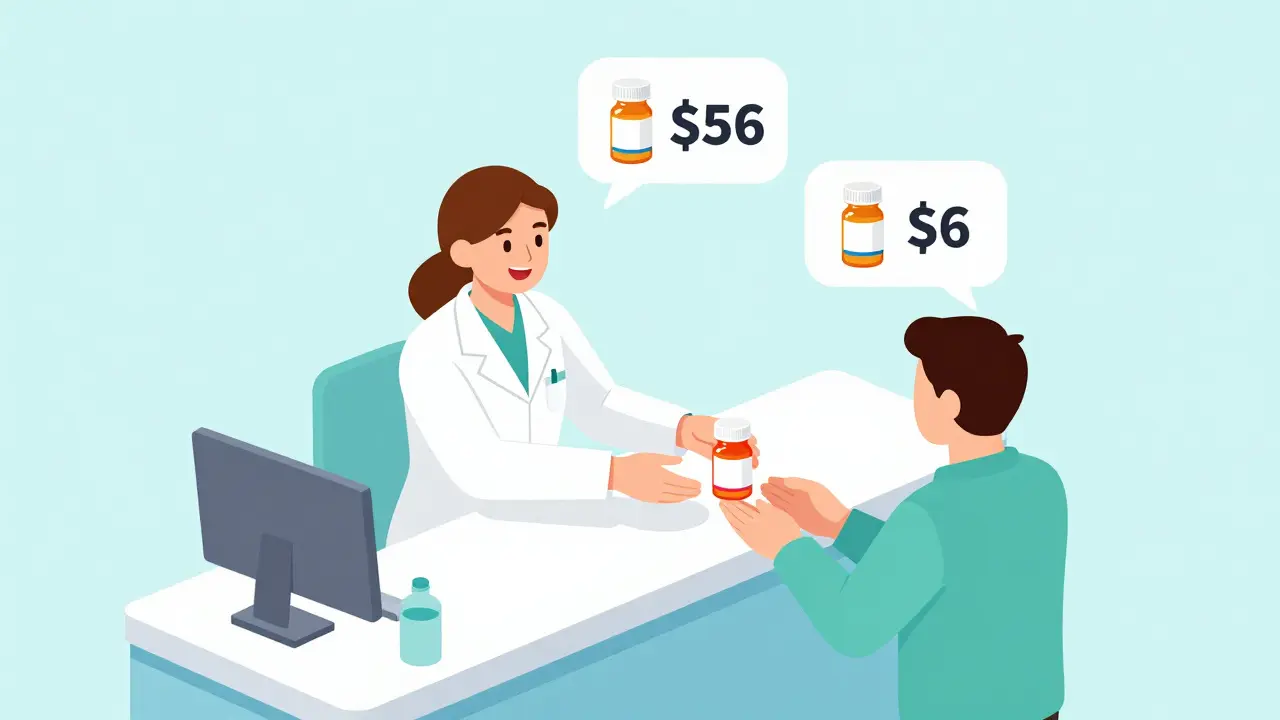
Imagine walking into a pharmacy and seeing a price difference where one pill costs $6 and the exact same medicine under a different name costs $56. For millions of people relying on public assistance, this isn't just a curiosity-it's the difference between getting treated and skipping a dose. In the U.S. healthcare system, Medicaid is a joint federal and state program that provides health coverage to millions of Americans, primarily those with limited income. At the heart of this program's ability to keep people healthy without breaking the bank are generic drugs.
The Massive Impact of Generic Substitutions
If you look at the sheer volume of prescriptions filled through Medicaid, the dominance of generics is staggering. About 90% to 91% of all Medicaid prescriptions are for generic versions of medicine. But here is the real kicker: while they make up the vast majority of the volume, they only account for about 18% of the total spending. This is a huge win for the program's sustainability and for the patients themselves.
Why does this matter to the person at the pharmacy counter? Because it keeps out-of-pocket costs manageable. On average, a Medicaid beneficiary pays a copay of just $6.16 for a generic drug. Compare that to $56.12 for a brand-name drug, and you can see why doctors and pharmacists push for the generic option. In fact, 93% of generic prescriptions are dispensed for under $20, ensuring that a sudden health flare-up doesn't lead to a financial crisis.
How Medicaid Keeps Prices Low: The Rebate Game
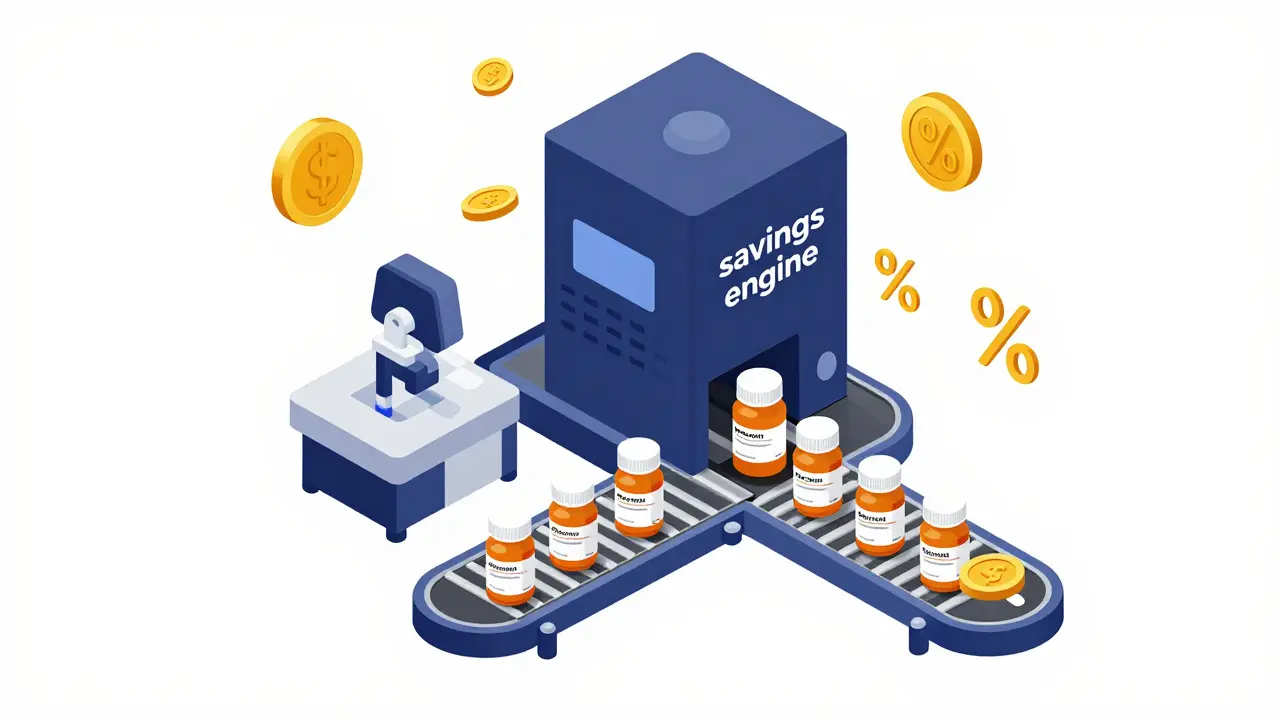
You might wonder how Medicaid manages to get such a steep discount. It isn't just luck; it's a structured system. The Medicaid Drug Rebate Program (or MDRP) is the engine behind these savings. Essentially, the government tells drug manufacturers: "If you want your drug to be covered by Medicaid, you have to give us a rebate." This creates a massive incentive for companies to lower their prices to remain competitive and accessible.
The numbers are impressive. In 2023, these rebates slashed the gross spending on prescription drugs by over 51%, saving about $53.7 billion. For non-specialty generics, Medicaid often obtains rebates equal to roughly 86% of the average retail price. This means the government is paying a fraction of what a person without insurance might see on a price tag.
| Metric | Generic Drugs | Brand-Name Drugs |
|---|---|---|
| Average Patient Copay | $6.16 | $56.12 |
| % of Prescriptions Filled | ~90-91% | ~9-10% |
| % of Total Program Spending | ~17.5-18.2% | High (Driven by Specialty) |
| Dispensed under $20 | 93% | 59% |
The Growing Problem of Specialty Drugs
While the generic model works beautifully for standard medications, there is a new challenge on the horizon: specialty drugs. These are high-cost medications often used for complex conditions like autoimmune diseases or cancer. The data shows a worrying trend. In 2021, drugs that cost over $1,000 per claim represented less than 2% of the actual prescriptions used, but they ate up more than half of Medicaid's entire drug budget.
This is why the government launched the GENEROUS Model (GENErating cost Reductions fOr U.S. Medicaid) in 2024. The goal is to tackle the rising cost of these high-priced medications through better formulary design and utilization management. Net spending reached $60 billion in 2024, a $10 billion jump from just two years prior. Even with 90% of patients using cheap generics, a few very expensive drugs can tilt the entire budget.
Navigating the System as a Patient
For most people, using generics in Medicaid is seamless. If a doctor prescribes a brand-name drug that has a generic equivalent, the pharmacy usually switches it automatically. However, it isn't always a smooth ride. Some patients run into "prior authorization" hurdles. This is basically a fancy way of saying the insurance company wants the doctor to prove that the specific drug is absolutely necessary before they'll pay for it.
This process can be a headache. Some patients have reported waiting weeks for approval, even for a simple switch to a cheaper generic that benefits everyone. Additionally, since 48 states use Managed Care Organizations (MCOs) to handle pharmacy benefits, the rules can change depending on where you live. One state's MCO might approve a generic instantly, while another's might require three phone calls and a signed letter from a specialist.
Hidden Inefficiencies in the Supply Chain
It's not all success stories. There are "middlemen" in the drug world known as Pharmacy Benefit Managers (PBMs). These companies manage the relationship between pharmacies, manufacturers, and insurance plans. While they are supposed to negotiate lower prices, some audits suggest they might be taking a large cut for themselves.
For example, a 2025 report from the Ohio Auditor of State found that PBMs were taking fees of 31% on generic drugs worth $208 million in a single year. When the middlemen take a huge slice of the pie, it can potentially limit the amount of savings that actually reach the taxpayer or the patient.
The Future of Savings: Biosimilars and Negotiations
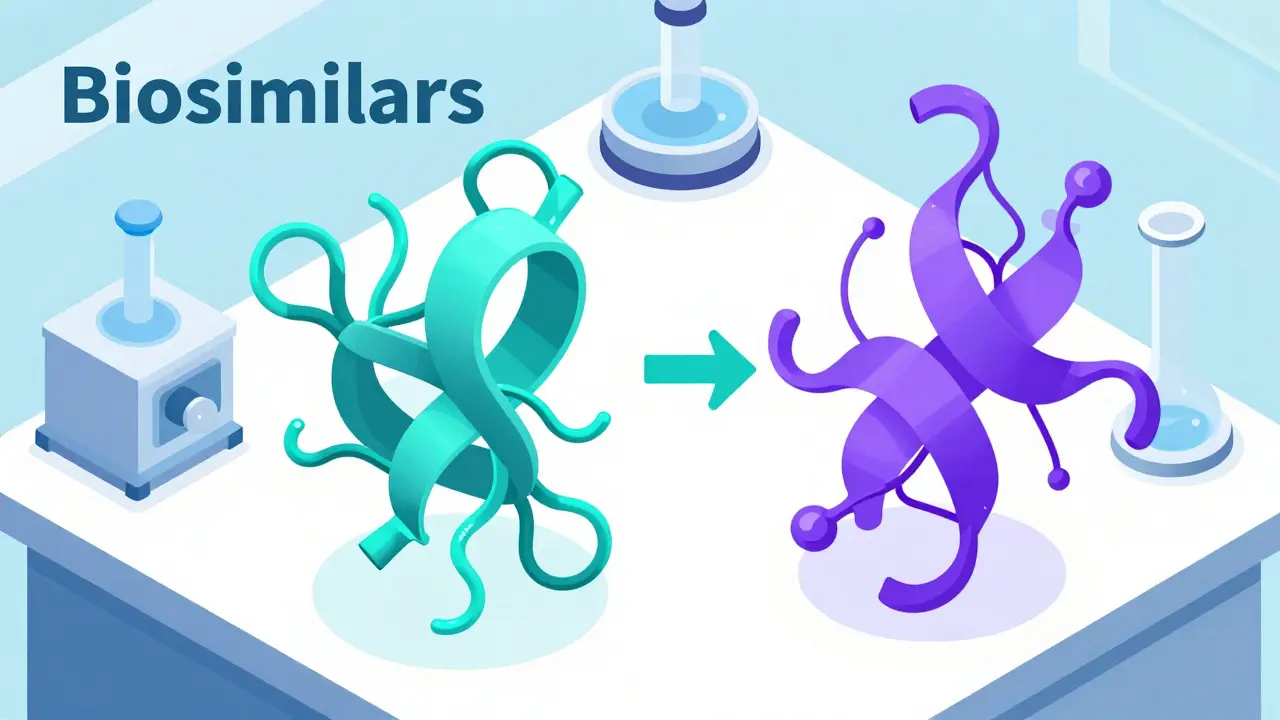
Looking ahead, there is hope for even more savings through Biosimilars. Think of biosimilars as "generics for biologics." Biologic drugs are complex proteins made from living cells, and they are incredibly expensive. As the patents for these drugs expire, biosimilars are entering the market. Experts project these could save the healthcare system an additional $100 billion annually by 2027.
There is also talk about the Inflation Reduction Act. While much of the focus has been on Medicare, there is a push to apply similar price negotiation tactics to Medicaid. If the government can negotiate prices for the top-spending drugs, it could save another $15-20 billion over the next decade, making healthcare even more accessible for the lowest-income families.
Will my doctor always prescribe the generic version?
Not necessarily, but your pharmacy likely will. Most Medicaid programs have "generic substitution" rules. If a generic is therapeutically equivalent to the brand name, the pharmacist will provide the generic unless the doctor specifically writes "Dispense as Written" (DAW) and provides a medical reason why the brand is required.
Are generic drugs just as effective as brand names?
Yes. To be approved by the FDA, generic drugs must have the same active ingredients, strength, dosage form, and route of administration as the brand-name drug. They are required to be "bioequivalent," meaning they work in the body the same way and provide the same clinical benefit.
Why does my Medicaid copay change sometimes?
Copays are usually based on a "tiered formulary." Generics are in the lowest tier (cheapest), while brand-name drugs are in higher tiers. If your medication is moved from one tier to another, or if you switch from a generic to a brand-name drug, your copay will change.
What should I do if my generic drug is not covered?
First, check with your doctor to see if there is another generic alternative that is on your state's approved list. If you absolutely need a specific drug that isn't covered, your doctor can file a "Prior Authorization" request or a "Medical Necessity" appeal with your MCO or state Medicaid office.
How do biosimilars differ from standard generics?
Standard generics are chemical copies of simple molecules. Biosimilars are copies of complex proteins (biologics). Because they are made from living cells, they can't be identical copies, but they are "highly similar" and provide the same clinical results, usually at a much lower cost.
What to do next
If you are a Medicaid beneficiary, the best way to ensure you're saving money is to stay proactive. Start by asking your pharmacist if there is a generic version of any new medication you're starting. If you find that a specific drug is suddenly costing more, ask if it has been moved to a different tier on the formulary.
For those dealing with complex conditions, keep an eye out for new biosimilar approvals. These can drastically lower the cost of specialty treatments. If you hit a wall with prior authorizations, don't just give up; ask your doctor's office for the specific "denial code" from the insurance company so you know exactly what information is missing to get the drug approved.