
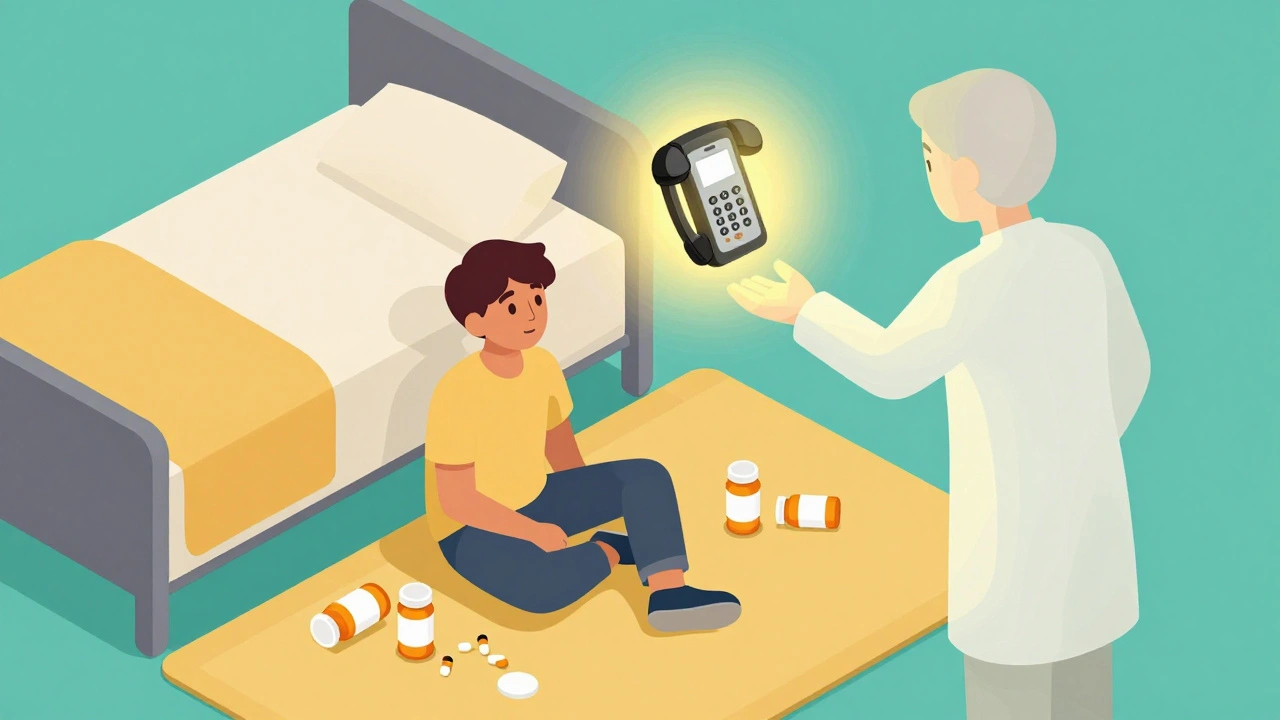
When someone takes too many pills on purpose, it’s not just a drug overdose-it’s a cry for help. Intentional overdose is one of the most common ways people attempt suicide, especially among teens and adults struggling with depression, trauma, or untreated mental illness. The good news? Most of these attempts are preventable. The even better news? Help is available, right now, and it works.
Why People Choose Overdose as a Method
It’s not about wanting to die-it’s about wanting the pain to stop. Many people who attempt suicide by overdose don’t see a way out. They’re not seeking attention. They’re not being dramatic. They’re in unbearable emotional pain, and they believe this is the only way to make it end. Prescription painkillers, sleep aids, antidepressants, and even common pain relievers like acetaminophen are often used because they’re easy to access. A teenager might take their parent’s anxiety meds. An adult might swallow a bottle of leftover pills from an old injury. These aren’t illegal drugs-they’re everyday medicines sitting in medicine cabinets across the country. The myth that overdose is a "painless" way to die is dangerous. In reality, it can take hours. Organs fail. Liver damage from acetaminophen can be permanent. Brain damage from lack of oxygen is possible. Many survive-only to face years of recovery, guilt, or trauma from the attempt itself.The Real Numbers Behind the Crisis
In 2024, the CDC reported a 27% drop in overall drug overdose deaths-from about 105,000 to 76,650. That’s more than 28,000 lives saved. But here’s what most people don’t realize: that number includes both accidental overdoses (from addiction) and intentional ones (suicide attempts). The data shows that intentional overdose still accounts for 15-20% of all suicide deaths in the U.S. And while the overall trend is moving down, the risk hasn’t disappeared. In fact, suicide remains one of the top 10 causes of death for Americans under 45. Mental Health America’s 2025 report found that 14 million adults had serious thoughts of suicide in the past year. One in four adults with a mental illness didn’t get the treatment they needed. And for teens? Over 2.8 million reported depression so severe it stopped them from doing normal things like going to school or hanging out with friends.Where to Turn When You’re in Crisis
If you’re thinking about taking too many pills-right now-stop. Breathe. Call someone. You don’t have to do this alone. 988 Suicide & Crisis Lifeline is the simplest, fastest way to get help. Dial 988. It’s free, confidential, and available 24/7. You can call, text, or chat online. The counselors aren’t police. They’re trained listeners. They won’t judge you. They won’t force you to go to the hospital unless you’re in immediate danger. One person who called after swallowing a bottle of pills said: "The counselor stayed on the line for 18 minutes until the ambulance arrived. That’s the only reason I’m alive today." If you’re not ready to talk on the phone, try texting. The Crisis Text Line (text HOME to 741741) answers over 90% of messages in under a minute. In 2024, they handled 3.2 million conversations. SAMHSA’s National Helpline (1-800-662-4357) can connect you to local treatment centers, even if you don’t have insurance. In 2024, they answered over half a million calls.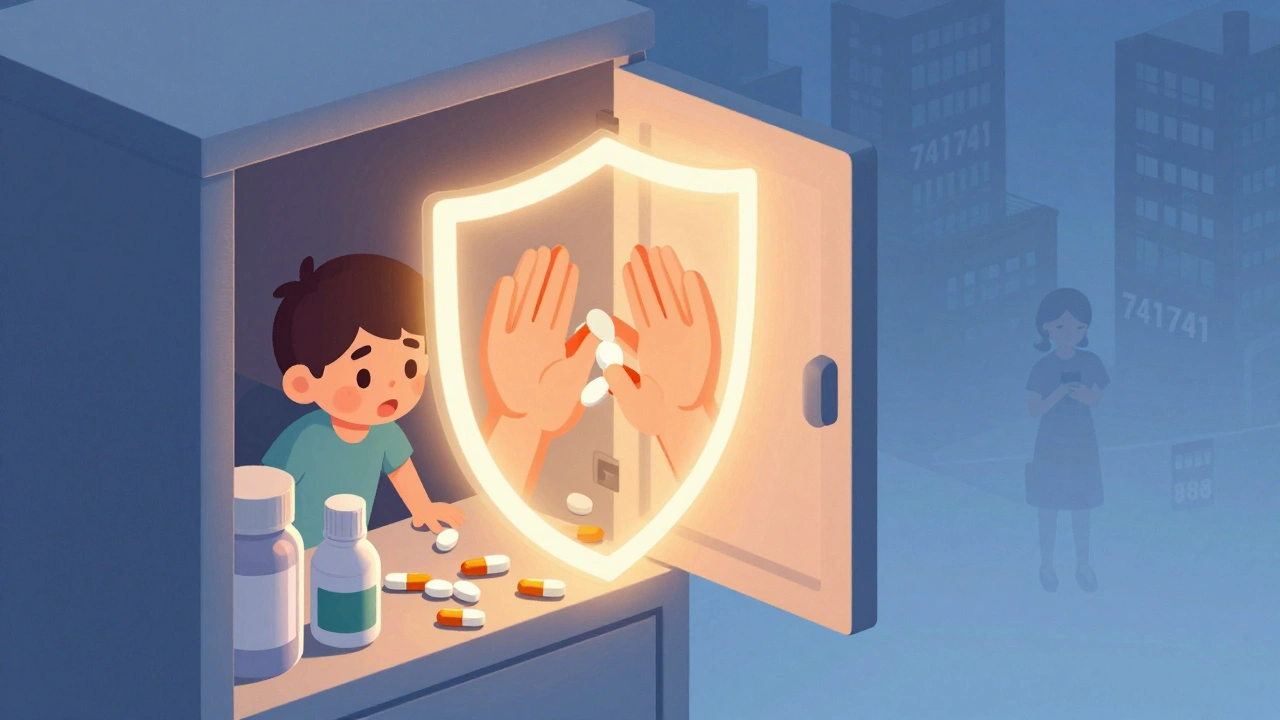
What Happens When You Call for Help?
Some people fear that calling 988 means they’ll get arrested, hospitalized, or have their kids taken away. That’s not how it works. Crisis responders are trained to de-escalate, not to punish. If you’re safe at home, they’ll help you make a safety plan. If you’re in danger, they’ll coordinate with local EMS-without your permission, they can’t force you to go to the ER unless you’re actively trying to kill yourself and can’t be kept safe. For minors, parental consent can be a barrier. But many states allow teens to access crisis services without a parent’s approval. If you’re under 18 and scared to tell your parents, call 988 anyway. They’ll help you figure out the next steps.Why So Many People Don’t Get Help
Even though these resources exist, they’re under strain. Wait times for crisis lines have doubled since 2022-from 2.4 minutes to 5.7 minutes. Some centers have lost staff due to funding cuts. In 2024, 42% of people trying to get same-day crisis care couldn’t get through. Rural areas are hit hardest. Suicide rates there are 25% higher than in cities, but mental health services are 40% harder to reach. A person in a small town might drive two hours just to see a therapist. And then there’s the stigma. Many people feel ashamed to say, "I thought about killing myself." But here’s the truth: thoughts of suicide are more common than you think. One in five adults has had them at some point. What matters isn’t whether you had the thought-it’s whether you reached out for help.What Works: Proven Ways to Prevent Overdose Suicide
The CDC has identified seven evidence-based strategies to prevent suicide. The most effective ones aren’t just about therapy or medication-they’re about changing the environment.- Limit access to lethal means. If someone is struggling, remove or lock up pills, sharp objects, and firearms. A simple change like storing medications in a locked box can buy time for someone to get help.
- Strengthen economic support. Studies show that raising the minimum wage reduces suicide attempts by over 15%. Financial stress is a major trigger.
- Build connection. People who feel isolated are at higher risk. Schools, workplaces, and community groups that foster belonging reduce suicide rates by up to 22%.
What You Can Do Right Now
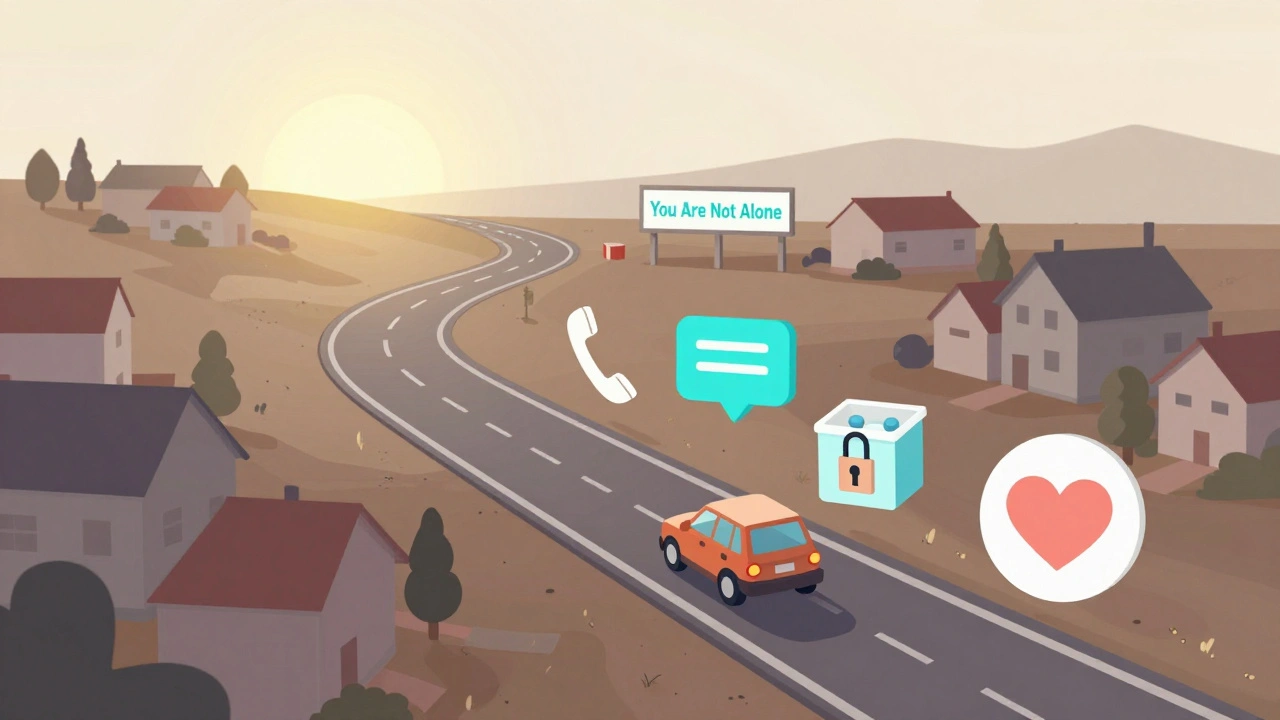
If you’re struggling:- Call 988. Text HOME to 741741. No judgment. No waiting.
- Keep a list of emergency contacts saved in your phone: a friend, a therapist, 988.
- If you’re safe, remove or lock up any medications you might use in a crisis.
- Reach out to someone-even if it’s just to say, "I’m not okay."
- Ask directly: "Are you thinking about killing yourself?" It doesn’t put the idea in their head-it opens the door.
- Don’t leave them alone. Stay with them until they’re connected to help.
- Help them call 988. Offer to sit with them while they talk.
The Bigger Picture: Why Funding Matters
The drop in overdose deaths over the past year proves that public health efforts work. But that progress is fragile. The proposed $1.07 billion cut to SAMHSA’s budget could undo years of gains. Without funding, crisis lines will have longer wait times. Therapists will be harder to find. Prevention programs will shut down. This isn’t just about saving lives-it’s about saving families, jobs, and communities. Every dollar spent on suicide prevention saves $7 in healthcare, lost wages, and emergency response costs. The truth is simple: people don’t die because they’re weak. They die because help wasn’t there when they needed it.What Comes After a Crisis
Surviving an overdose attempt doesn’t mean the struggle is over. Many people feel shame afterward. They think, "I failed at dying," or "Now everyone knows." But recovery is possible. Therapy-especially cognitive behavioral therapy (CBT) and dialectical behavior therapy (DBT)-has been shown to reduce repeat attempts by up to 50%. Medication can help, too. But what matters most is having someone who listens, consistently, over time. If you’ve attempted suicide before, you’re not broken. You’re resilient. And you deserve support-not judgment.Is intentional overdose always a suicide attempt?
Not always. Some overdose deaths are accidental-people with substance use disorders take too much by mistake. But intentional overdose is specifically when someone takes drugs to end their life. The CDC tracks these separately using different codes: X60-X64 for suicide, X40-X44 for accidents. If someone takes pills on purpose, it’s treated as a suicide attempt, regardless of whether they survived.
Can I call 988 for someone else?
Yes. You don’t need to be the person in crisis to call. If you’re worried about a friend, family member, or coworker, call 988 and explain what’s happening. The counselor can guide you on how to help-whether that’s staying with them, calling EMS, or connecting them to a local service.
Will calling 988 get me in trouble?
No. 988 is not a law enforcement line. Counselors are mental health professionals, not police. They won’t report you to authorities unless you’re actively trying to harm someone else or are in immediate danger and can’t be kept safe. Their job is to help you survive, not to punish you.
What if I’m under 18 and don’t want my parents to know?
Many states allow minors to access crisis services without parental consent. Even if your state requires consent for long-term treatment, you can still call 988 or text the Crisis Text Line anonymously. The counselors will help you understand your rights and options. You’re not alone-and you don’t have to face this alone.
How can I help a friend who talks about overdosing?
Listen without trying to fix it. Say, "I’m here for you." Don’t minimize their pain. Ask directly: "Are you thinking about taking your life?" Then help them call 988 right then and there. Stay with them until they’re connected. Remove access to pills if you can. And follow up-even a text the next day says, "I’m still here."
If you’ve read this far, you’re already doing something important. You’re paying attention. You’re caring. And that matters more than you know.
Help is not a luxury. It’s a lifeline. And it’s waiting for you-right now.
Rashmin Patel
December 3, 2025 AT 07:15I’ve been through this. Not once, but three times. Each time, I thought I was being selfish - until I realized I was just exhausted. The pills weren’t about ending life; they were about ending the screaming in my head. I called 988 at 2 a.m. after swallowing half a bottle of gabapentin. The counselor didn’t judge. She just said, ‘I’m here. Breathe with me.’ And we did. For 17 minutes. That’s the only reason I’m here typing this. You’re not weak for feeling this. You’re human. And humans need help. Not pity. Not lectures. Just someone who stays. 🌱
sagar bhute
December 3, 2025 AT 09:55This post is pure propaganda. People don’t overdose because they’re in pain - they do it because they’re weak and lazy. You think throwing pills down your throat is a cry for help? It’s a cry for attention. If you can’t handle life, go live in a cave. No one owes you a safety net. Stop coddling the mentally unfit.
Cindy Lopez
December 3, 2025 AT 10:53There are several grammatical inconsistencies in the original post - notably, the inconsistent use of em dashes and comma splices in the section on ‘What Happens When You Call for Help?’ Additionally, ‘15-20% of all suicide deaths’ should be ‘15 to 20 percent’ for formal consistency. While the intent is commendable, the lack of editorial rigor undermines credibility. Also, ‘988’ is not a ‘lifeline’ - it’s a phone number. Language matters.
shalini vaishnav
December 4, 2025 AT 19:00India has over 1.4 billion people and not one of us is overdosing because of ‘unpaid bills’ or ‘bad therapy.’ You Americans think your mental health crisis is the only one that matters. We work 14-hour days, raise kids in 200-square-foot apartments, and still smile. Your weakness is your privilege. No one in my village takes pills to escape - we endure. You call it ‘crisis.’ We call it life. Stop exporting your guilt as activism.
vinoth kumar
December 5, 2025 AT 05:30Just wanted to say thank you to the person who wrote this. I’m 22, from a small town in Tamil Nadu, and I’ve been silent about my depression for two years. I didn’t know 988 worked for international calls - I just tried it last week. The counselor was Indian, spoke Hindi, and didn’t hang up once. I cried the whole time. I didn’t think anyone would care. Turns out, someone did. I’m starting therapy next week. You’re not alone. I promise.
bobby chandra
December 5, 2025 AT 18:01Let’s cut the fluff. This isn’t about ‘mental health awareness’ - it’s about systemic collapse. The fact that a teenager has to text a crisis line because her parents won’t listen? That’s not a failure of will - it’s a failure of society. We’ve turned therapy into a luxury good, locked behind insurance co-pays and 6-month waitlists. Meanwhile, Big Pharma rakes in billions while kids swallow Benadryl to ‘sleep it off.’ This isn’t tragedy. It’s negligence dressed up in pretty hashtags. We need policy. Not platitudes. Fund the damn lines. Hire the counselors. Stop making survival a lottery.
Archie singh
December 6, 2025 AT 17:48Overdose isn’t suicide. It’s a failed cry for help. And the fact that people still think it’s a ‘painless’ method proves how disconnected we are from reality. Acetaminophen doesn’t just ‘hurt your liver’ - it rots it from the inside over days. You don’t die fast. You vomit. You shake. You beg. And then you wake up in a hospital with your mom crying and your dad saying ‘I told you not to be dramatic.’ That’s not a second chance. That’s a sentence. And the system doesn’t fix you. It just patches you up to try again.
Gene Linetsky
December 7, 2025 AT 19:55988 is a government psyop. The real reason they pushed this number is to track who’s ‘at risk’ and flag them for surveillance. You think they don’t link your call to your phone number, your insurance, your social media? They’re building a mental health database to control the population. And now they want you to trust them? The CDC’s numbers? Fabricated. The ‘27% drop’? They reclassified everything to make it look better. Don’t fall for it. Lock your meds. Don’t call anyone. Just disappear. That’s the only real escape.
Kidar Saleh
December 9, 2025 AT 08:09In the UK, we used to have something called the Samaritans - volunteers who’d sit on the phone for hours with strangers. No scripts. No pressure. Just presence. We lost funding for them in 2018. Now, we have 999 - and if you call for mental health, you get transferred three times and end up on hold for 47 minutes. The truth? We don’t need more apps. We need more people willing to sit in silence with someone who’s falling apart. I’ve done it. It’s not heroic. It’s just human. If you’re reading this and you’re hurting - I’m here. Not as a professional. Just as a person. You matter.
Chloe Madison
December 10, 2025 AT 02:10Thank you for writing this with such precision and compassion. I’m a therapist in rural Ohio. We have one psychiatrist for 80,000 people. Last month, a 16-year-old girl came in after swallowing 18 ibuprofen tablets because she thought it would ‘make her feel numb.’ She didn’t know they could cause liver damage. We didn’t hospitalize her. We sat. We listened. We made a safety plan. And then we called 988 - together. She cried. I cried. We both felt less alone. That’s what matters. Not statistics. Not headlines. Just one human being choosing to stay with another human being - even when it’s hard. That’s the real intervention.
Vincent Soldja
December 11, 2025 AT 16:53Overdose is a behavioral issue. Treatment is ineffective. Prevention requires incarceration of repeat offenders. The data shows no correlation between counseling and reduced mortality. Focus on deterrence.