

Traveling can be exciting, but motion sickness and jet lag can turn a dream trip into a nightmare. Millions of people deal with nausea, dizziness, and exhaustion on planes, boats, or cars - and many reach for medication to feel better. But taking the wrong pill, at the wrong time, or in the wrong dose can make things worse. You might end up groggy, confused, or even in danger if you drive after taking a sedating drug. The good news? You don’t need to guess. With the right info, you can use these medications safely and effectively.
Understanding Motion Sickness and What Works
Motion sickness happens when your brain gets mixed signals. Your eyes see one thing - like a moving screen - while your inner ear feels motion. That mismatch triggers nausea, sweating, and vomiting. It’s not just for kids. About 1 in 3 adults get it on cruises, road trips, or even roller coasters.
There are four main types of meds used:
- Antihistamines like Dramamine (dimenhydrinate) and Bonine (meclizine)
- Anticholinergics like the scopolamine patch (Transderm Scop)
- Phenothiazines like promethazine (Phenergan)
- Antiserotonergics - less common, mostly in clinical settings
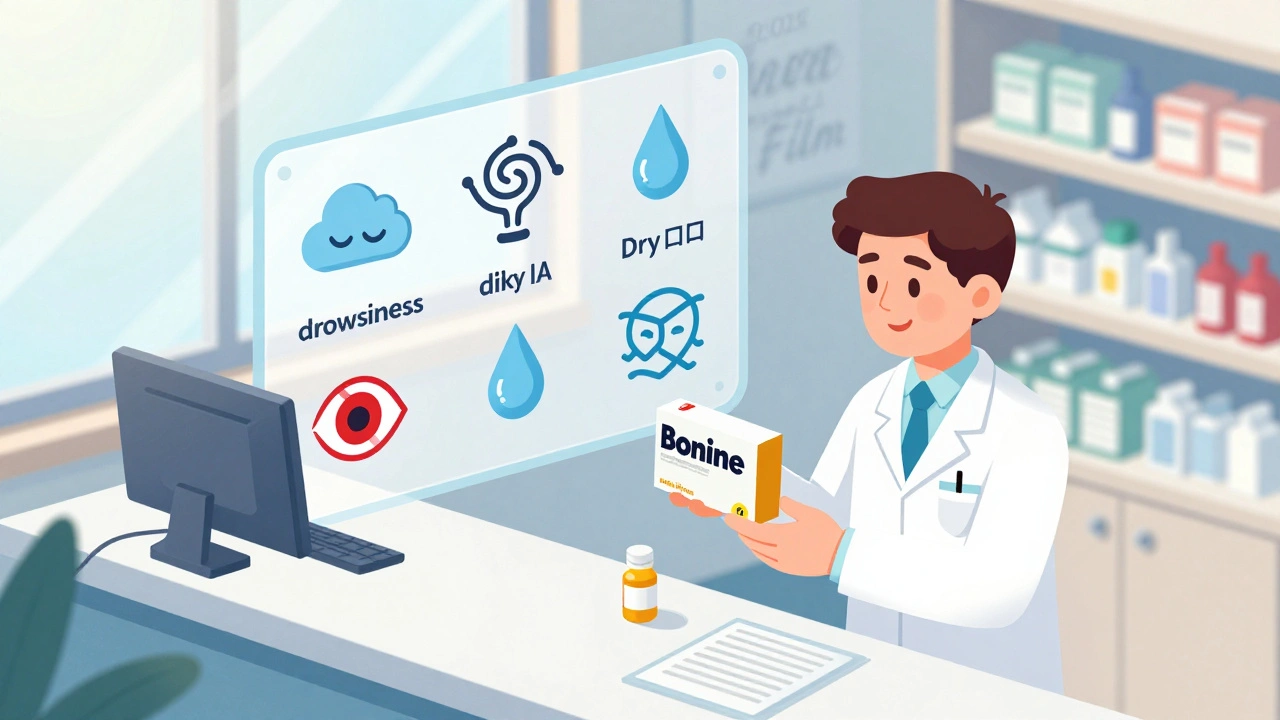
Dramamine works fast - about 20 to 30 minutes after you take it. But it makes you drowsy in about 35% of users. Bonine is less sedating (only 18% feel sleepy), but it takes longer to kick in - around 40 minutes. If you’re on a long flight or cruise, the scopolamine patch is often the best choice. Applied behind the ear at least 4 hours before travel, it lasts up to 72 hours and has a 75% success rate. But it’s not for everyone. People with glaucoma should never use it - it can spike eye pressure dangerously. And older adults sometimes get confused or dizzy from it.
Promethazine is powerful, but it’s also the most sedating. It’s not recommended for kids under 2 because of a black box warning from the FDA: it can cause life-threatening breathing problems. Even for adults, you shouldn’t drive or operate machinery for at least 15 hours after taking it.
Jet Lag: Timing Is Everything
Jet lag isn’t just being tired. It’s your body clock out of sync with the local time. Crossing five or more time zones? Almost everyone feels it. The key to fixing it isn’t just sleeping more - it’s resetting your internal clock.
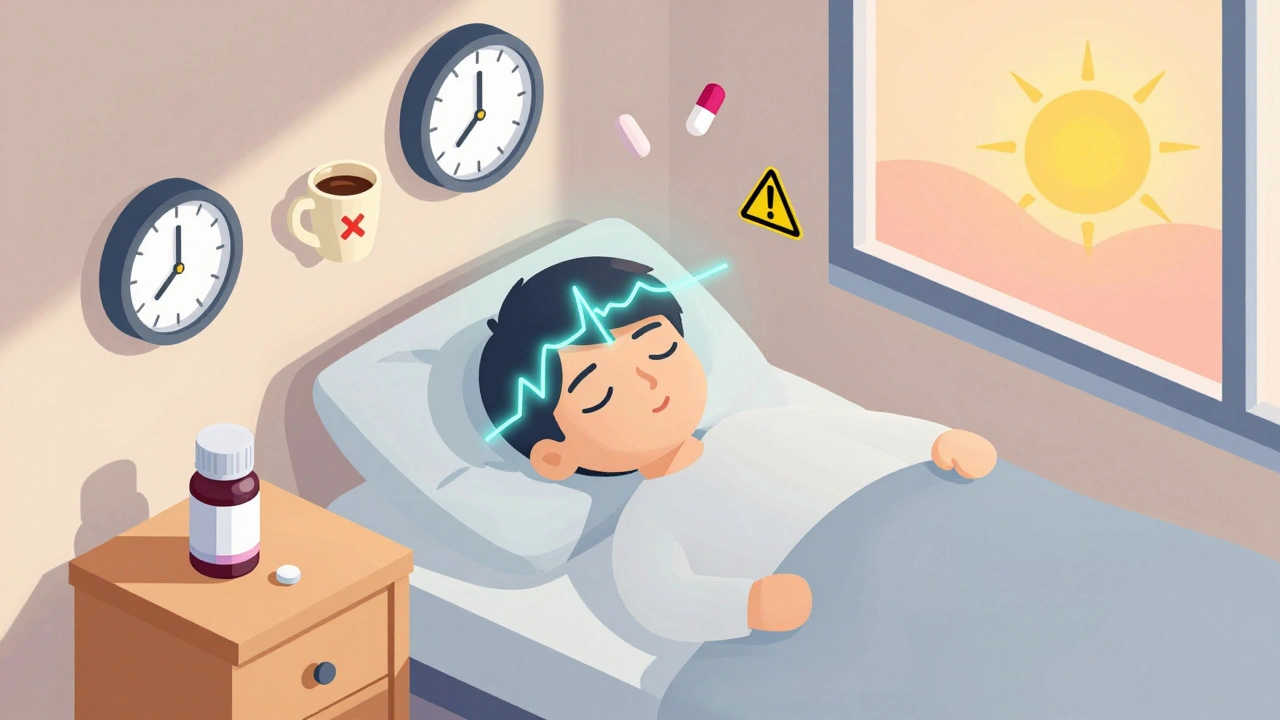
Melatonin is the gold standard. It’s not a sleeping pill. It’s a hormone your body naturally makes at night. Taking 0.5 mg to 5 mg 30 minutes before your target bedtime at your destination helps shift your rhythm. Surprisingly, 0.5 mg works just as well as 5 mg for most people - and causes fewer side effects like weird dreams or morning grogginess.
For eastward travel (like flying from Sydney to London), take melatonin in the evening at your destination. For westward travel (like flying from New York to Los Angeles), take it in the morning. Light exposure matters too. Get sunlight in the morning when traveling east, and in the evening when traveling west. This combo is more effective than any pill alone.
Some people turn to zolpidem (Ambien) or eszopiclone (Lunesta). These are stronger sleep aids. Zolpidem works fast - 72% of users report better sleep - but 4.3% feel groggy the next day. Worse, 1.8% have sleepwalking episodes. And you should never take these on a plane. There’s a documented risk of impaired responses in emergencies.
Don’t forget caffeine. It’s a stimulant with a 5-hour half-life. If you’re trying to adjust to a new time zone, avoid coffee after 2 p.m. And never mix melatonin with alcohol. It can cause disorientation - 8-12% of users report this combo causing confusion.
Comparing the Most Common Options
Here’s how the top meds stack up:
| Medication | Use Case | Dosage | Onset Time | Duration | Common Side Effects | Safety Warnings |
|---|---|---|---|---|---|---|
| Dramamine (dimenhydrinate) | Motion sickness | 50-100 mg | 20-30 min | 4-6 hours | Drowsiness (35%), dry mouth | Avoid driving for 6 hours after |
| Bonine (meclizine) | Motion sickness | 25-50 mg | 40 min | 8-24 hours | Drowsiness (18%), mild dizziness | Less sedating than Dramamine |
| Scopolamine patch | Motion sickness (long trips) | 1 patch behind ear | 4 hours pre-travel | 72 hours | Dry mouth (22%), blurred vision (15%), confusion in elderly | Contraindicated in glaucoma. Remove 24+ hours before driving. |
| Promethazine | Motion sickness | 25-50 mg | 15-30 min | 15 hours | Severe drowsiness (40%), low blood pressure | Never for children under 2. FDA black box warning. |
| Melatonin | Jet lag | 0.5-5 mg | 30 min | 4-6 hours | Weird dreams (29%), mild dizziness | Avoid alcohol. Use only at target bedtime. |
| Zolpidem (Ambien) | Jet lag (sleep aid) | 5-10 mg | 15-30 min | 2.5 hours | Grogginess (4.3%), sleepwalking (1.8%) | Do not use on planes. Risk of amnesia. |
Notice the patterns? Short trips? Bonine or Dramamine. Long cruises? Scopolamine patch. Jet lag? Melatonin first. Sleeping pills? Only if absolutely necessary - and never on a plane.
What Experts Say - And What You Should Skip
Doctors don’t recommend meds for every case. The CDC and American Academy of Sleep Medicine say: try non-drug methods first.
For motion sickness:
- Look at the horizon, not your phone
- Sit in the front seat of a car, over the wing on a plane, or in the middle of a boat
- Use ginger chews or acupressure wristbands - they don’t work for everyone, but they’re safe
For jet lag:
- Adjust your sleep schedule a day or two before you leave
- Stay hydrated - dehydration makes jet lag worse
- Get sunlight at the right time - it’s the most powerful reset tool you have
And here’s what doesn’t work: non-sedating antihistamines like Zyrtec, Claritin, or Allegra. They’re great for allergies, but they do nothing for motion sickness. Don’t waste your money.
Also skip promethazine unless you’re in a hospital. The side effects are too risky. And never give melatonin to kids without talking to a pediatrician.
Real People, Real Experiences
People online share honest stories. One traveler on Reddit said the scopolamine patch saved her 7-day Caribbean cruise - but she needed Biotene mouth spray every two hours because of dry mouth. Another said Bonine worked great on a road trip, but she didn’t feel the effect until nearly an hour after taking it.
On Drugs.com, melatonin gets a 7.2/10 rating. People love it - but nearly a third say they had strange dreams. Zolpidem? Only 6.4/10. Many say they woke up feeling like they’d been hit by a truck.
And here’s a red flag: 12% of elderly travelers on cruise forums reported serious confusion after using the scopolamine patch. If you’re over 65, talk to your doctor before using it. The patch isn’t just for young people - and it can be risky for older bodies.
Timing Is Your Secret Weapon
Getting the timing wrong can turn a helpful med into a dangerous one.
- Scopolamine patch: Apply 4 hours before travel. Don’t remove it until after you’re done - withdrawal can cause dizziness for 24+ hours.
- Dramamine: Take 30-60 minutes before you leave. Don’t wait until you’re already nauseous.
- Bonine: Take 1 hour before. It’s slow but steady.
- Melatonin: Take 30 minutes before your destination’s bedtime. Don’t take it at 8 p.m. your time if you’re flying to a place where it’s 3 a.m.
- Zolpidem: Only take when you can sleep for 7-8 hours. Never take before a flight or if you need to be alert.
And always check the label. The FDA found that scopolamine patch instructions are poorly written - only 3.2/5 in clarity. Don’t assume you know how to use it. Read the small print.
What’s New in 2025
The FDA approved a new scopolamine buccal film in May 2024. It’s absorbed through the cheek instead of the skin. Early data shows it’s 30% less likely to cause side effects like dry mouth or confusion. It’s not widely available yet, but it’s coming.
Also, the CDC’s 2025 Yellow Book (draft released October 2024) now uses a more precise method called the “phase response curve” to time melatonin. It’s not just “take it at bedtime.” It’s “take it at this exact hour based on your flight path and time zone change.” That level of detail is changing how doctors advise travelers.
Future drugs are also in the works. Researchers are testing NK1 receptor antagonists - new meds that stop motion sickness without drowsiness. In 2024 trials, they were 78% effective. If approved, they could replace Dramamine and scopolamine within the next few years.
Final Checklist: Safe Use Every Time
Before you travel, ask yourself:
- Is this medication right for my age and health? (Especially if you have glaucoma, asthma, or liver issues)
- Have I read the label? Not just the box - the tiny print inside the package?
- Am I taking it at the right time? Too early or too late can ruin the effect.
- Do I have a backup plan? What if the patch falls off? What if I can’t sleep?
- Will I be driving or operating equipment within 6-24 hours? If yes, avoid sedating meds.
- Am I mixing this with alcohol, other meds, or supplements? That’s a recipe for trouble.
Medications help - but they’re not magic. The safest trip is the one where you feel in control. Use drugs wisely. Prioritize sleep, light, and hydration. And if you’re unsure? Talk to your pharmacist. They know the details the doctor might forget.
Can I take melatonin and a motion sickness pill together?
Yes - but only if you’re careful. Melatonin is safe with most motion sickness meds, but combining it with sedating drugs like promethazine or Dramamine can make you overly drowsy. Avoid alcohol with either. Stick to low-dose melatonin (0.5 mg) and take it only at your destination’s bedtime.
Is the scopolamine patch safe for older adults?
It’s risky. About 12% of travelers over 65 report confusion or disorientation after using the patch. The FDA requires a warning label for this reason. If you’re elderly, ask your doctor about alternatives like meclizine or non-drug methods. If you do use the patch, have someone with you during travel.
Can I use Dramamine on a plane?
Yes - but be cautious. Dramamine can make you very sleepy, and you might not be able to respond quickly if there’s turbulence or an emergency. If you’re flying, consider Bonine instead - it’s less sedating. Or try non-drug options like ginger or focusing on the horizon.
What’s the best way to avoid jet lag without pills?
Start adjusting your sleep schedule 1-2 days before you leave. Get sunlight at the right time - morning light if traveling east, evening light if traveling west. Stay hydrated. Avoid caffeine after midday. Don’t nap too long when you land - keep yourself awake until your new bedtime. Light exposure is the most powerful tool you have.
Are there any motion sickness meds that don’t cause drowsiness?
Currently, no OTC meds are completely non-sedating. But new drugs in Phase III trials (targeting NK1 receptors) show 78% effectiveness without drowsiness. They’re not available yet, but they’re coming. For now, meclizine (Bonine) causes the least drowsiness among available options.
Can children take motion sickness medication?
Children over 2 can take meclizine or dimenhydrinate - but only in child-appropriate doses. Never give promethazine to anyone under 2 - it’s life-threatening. Always check the label for pediatric dosing. For kids, try non-drug methods first: ginger chews, fresh air, and looking out the window.
Shayne Smith
December 6, 2025 AT 04:25Just took the scopolamine patch for my Hawaii trip last month. Dry mouth was brutal but worth it. I was the only one on the cruise not puking while everyone else looked like they lost a fight with a washing machine. Biotene saved my life. Also, ginger chews? Total placebo but they make you feel like you’re doing something.
PS: Never take melatonin before a flight. Woke up at 3am in Dubai thinking I was in my childhood bedroom. Weird dreams for days.
Kumar Shubhranshu
December 6, 2025 AT 16:31Dramamine is for losers. Bonine all day. Less sleepy. More functional. Also stop taking melatonin like it’s candy. 5mg is for astronauts not your grandma on a weekend trip to Florida
Kenny Pakade
December 7, 2025 AT 14:49This whole article is a Big Pharma scam. The FDA is corrupt. Scopolamine patches? They’re just government mind control devices disguised as travel aids. Ever wonder why you feel weird after using them? That’s not dry mouth - that’s surveillance. Also melatonin is synthetic and banned in 12 countries. Read the labels people. They’re hiding something.
Myles White
December 7, 2025 AT 19:39Okay I’ve been traveling internationally for 18 years and I’ve tried every single thing mentioned here. Honestly the real game-changer isn’t the meds at all - it’s circadian rhythm management. I don’t even use melatonin unless I’m crossing more than 8 time zones. What actually works is this: 2 days before departure, I start shifting my sleep schedule by 45 minutes per day toward the destination time. I go outside at sunrise and sunset according to the target zone. I hydrate like my life depends on it - like 4 liters a day. I avoid caffeine after noon. I don’t nap. And when I land? I stay awake until 9pm local time even if I’m falling over. It’s brutal but it works. No pills needed. The science is solid. This isn’t magic - it’s biology. The meds are just crutches for people who won’t adjust their behavior. Also the new buccal film? Yeah I’ve seen the trial data. It’s legit. But it’s not going to fix your bad sleep habits.
TL;DR: Your body isn’t broken. You’re just lazy.
olive ashley
December 8, 2025 AT 06:55They didn’t mention that scopolamine can trigger hallucinations. My cousin took it and swore she saw a giant octopus on the deck. Hospitalized for 3 days. Also melatonin? That stuff is unregulated. It’s basically rat poison with a fancy label. And don’t even get me started on how the FDA lets this stuff fly under the radar. Big Pharma owns everything. Wake up.
Ibrahim Yakubu
December 9, 2025 AT 12:32Bro. In Nigeria we don’t need no pills. When I flew from Lagos to Atlanta? I sat by the window. I stared at the clouds. I hummed Fela Kuti. I drank coconut water. I didn’t sleep for 36 hours. I arrived and my body knew exactly what time it was. Why? Because nature is the original clock. Pills? That’s weak. That’s Western weakness. Your body knows. You just stopped listening.
Gwyneth Agnes
December 11, 2025 AT 08:03Never use anything. Just breathe. Stop taking drugs. You’re not sick. You’re just out of touch with your body. Motion sickness is your soul crying out for stillness. Jet lag? You’re addicted to screens. Go outside. Feel the sun. Be still. Medications are a crutch for the spiritually lazy.
Mansi Bansal
December 11, 2025 AT 22:05While I appreciate the comprehensive pharmacological exposition delineated herein, I must respectfully contend that the implicit endorsement of pharmacological intervention for what are fundamentally physiological adaptations to environmental chronobiological dissonance constitutes a troubling capitulation to pharmaceutical hegemony. The human organism, endowed with an intrinsic circadian architecture, possesses an innate capacity for temporal recalibration - a capacity rendered obsolescent by the facile recourse to exogenous hormonal and anticholinergic agents. One is compelled to query whether the proliferation of such interventions is not a symptom of a broader cultural pathology wherein the human being is increasingly perceived not as an adaptive organism, but as a malfunctioning machine requiring chemical calibration. The anecdotal testimonies of elderly disorientation and the documented risks of nocturnal parasomnias associated with zolpidem are not mere side effects - they are harbingers of a medical paradigm in moral decline. Non-pharmacological strategies - chronotherapy, photic entrainment, hydration, and behavioral discipline - remain not merely preferable, but ethically imperative. The scopolamine patch, while efficacious, is a technological Band-Aid upon a wound caused by our own refusal to align with natural rhythms. Let us not mistake convenience for wisdom.