Antihistamines for Elderly: Safety, Risks, and Better Choices
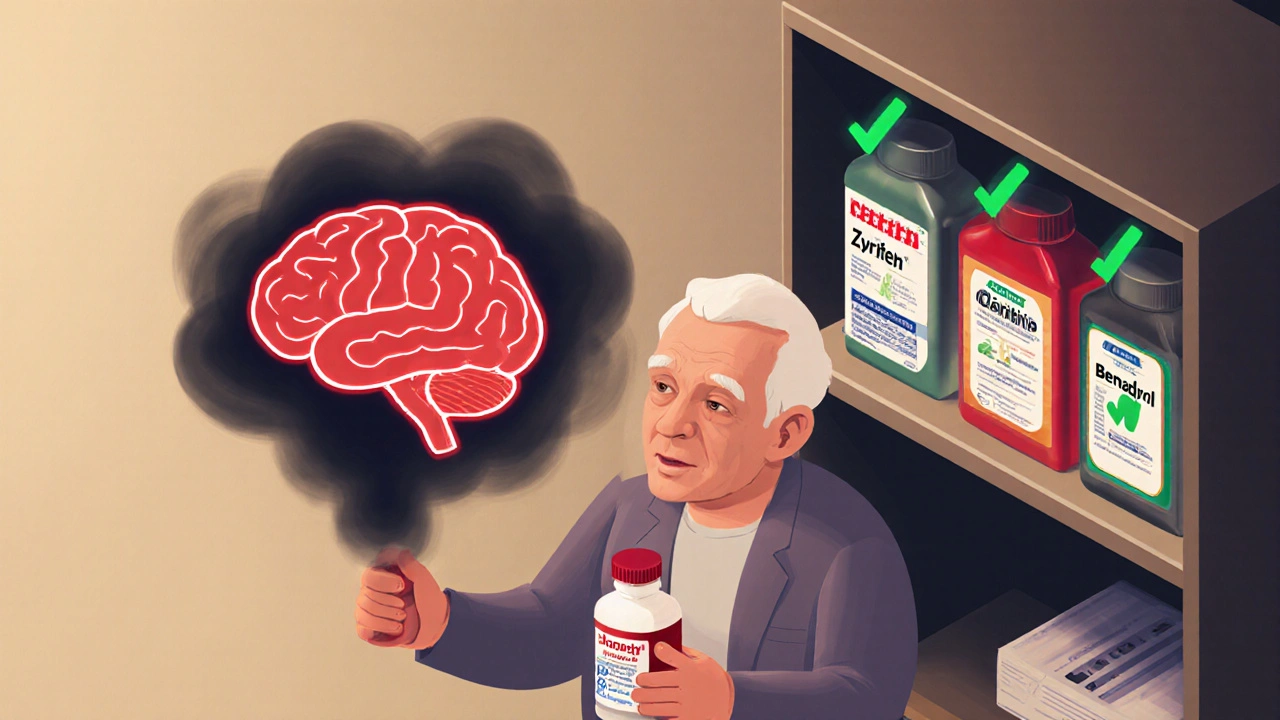
When it comes to antihistamines, medications used to treat allergies, hives, and sometimes sleep issues. Also known as allergy pills, they’re common—but not all are safe for older adults. Many seniors take them for runny noses or trouble sleeping, but the body changes with age. The liver and kidneys don’t process drugs the same way, and the brain becomes more sensitive to side effects. That’s why some of the most popular antihistamines, like diphenhydramine (Benadryl), can cause dizziness, confusion, or even delirium in people over 65.
One of the biggest hidden dangers is hydroxyzine, a sedating antihistamine often prescribed for anxiety or itching. Also known as Atarax, it can prolong the QT interval—a heart rhythm issue that raises the risk of dangerous arrhythmias, especially in older patients with existing heart conditions or those taking other meds like diuretics or antidepressants. Studies show that seniors on hydroxyzine have a higher chance of emergency hospital visits for heart problems than those on newer, non-sedating options. And it’s not just hydroxyzine. First-generation antihistamines like chlorpheniramine and promethazine carry similar risks. These drugs cross the blood-brain barrier easily, which is why they make people sleepy—but that same trait makes them dangerous for aging brains.
So what’s the alternative? Second-generation antihistamines like loratadine (Claritin), cetirizine (Zyrtec), and fexofenadine (Allegra) are much safer for the elderly. They don’t cause as much drowsiness, don’t mess with heart rhythms, and are less likely to cause confusion. But even these aren’t risk-free. If someone is on multiple medications—say, a blood pressure pill, a statin, or an antidepressant—drug interactions can still happen. Always check with a pharmacist or doctor before starting or switching any antihistamine.
It’s not just about picking the right drug. It’s about asking: Do we even need this? Many older adults take antihistamines for mild symptoms that could be managed with saline sprays, humidifiers, or avoiding allergens. Sometimes, the side effects of the pill are worse than the allergy itself. If sleep is the real issue, melatonin or behavioral changes often work better than sedating antihistamines. And if it’s itching or hives, topical treatments or identifying triggers can cut down on pills altogether.
The posts below dive into real cases and research on how antihistamines like hydroxyzine affect seniors, what heart risks to watch for, and which alternatives actually work without the downsides. You’ll find clear comparisons, safety tips from doctors, and practical advice for families helping aging loved ones navigate medication choices without falling into common traps.
First-generation antihistamines like Benadryl can cause confusion, falls, and dementia in older adults. Learn why they're dangerous and which safer alternatives doctors recommend for seniors.
View More